
 EN
EN  English
 русский
 Español
 عربى
عربىHow Does Multi Hole Wire Stripping Machine Save Time?
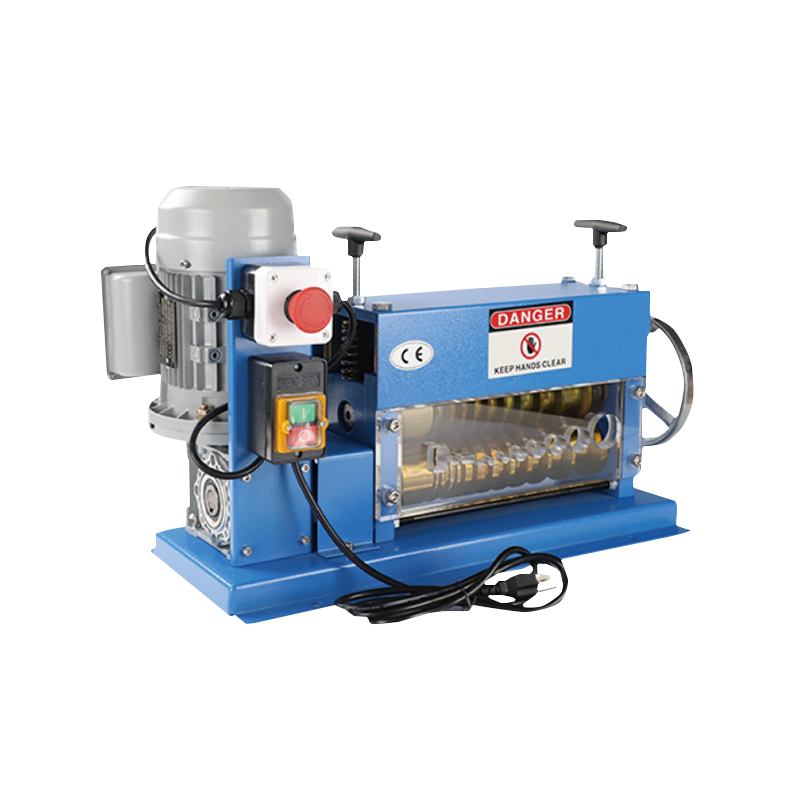
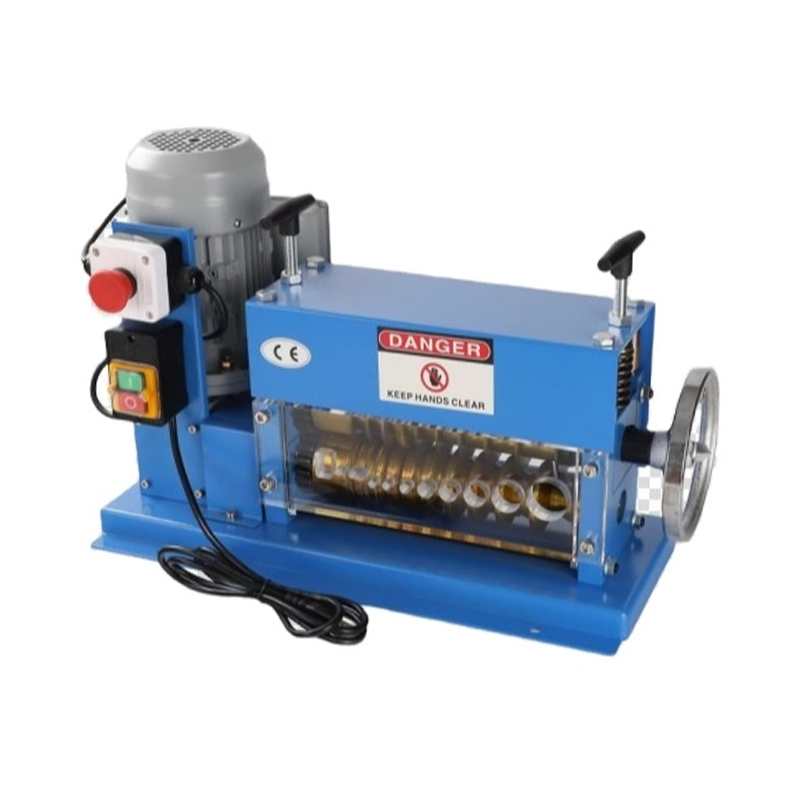
Multi hole wire stripping machine has become a familiar sight in cable processing workshops where different wire sizes need to be handled throughout the day. Instead of changing settings for every batch, many manufacturers now prefer equipment that allows operators to move quickly between different cable diameters. This shift has changed how production teams evaluate efficiency on the factory floor.
Rather than measuring output by cutting speed alone, many factories now look at how much time is lost between jobs. In those discussions, the multi hole wire stripping machine is frequently compared with a traditional wire stripping machine, especially when production involves mixed cable specifications instead of one continuous product.
Production Rarely Follows One Cable Size
Some people imagine cable processing as repetitive work.
In reality, many workshops receive mixed orders.
One batch may include thin communication wires.
The next may require heavier electrical cables.
Changing tools or readjusting settings after every batch can interrupt production far more than expected.
Because of this, a multi hole wire stripping machine is often introduced where operators need to switch between wire sizes several times during the same shift.
The goal is not simply to strip insulation faster. It is to reduce the small pauses that gradually slow an entire production line.
Operators Notice Workflow Before Speed
Ask experienced operators what improves productivity, and many will not mention motor power first.
Instead, they talk about rhythm.
If a machine allows continuous work without repeated adjustment, production feels smoother.
Workers spend less time checking settings and more time processing cables.
That is one reason a wire stripping machine is increasingly evaluated by workflow rather than headline specifications.
When the production schedule changes several times a day, convenience often becomes as valuable as cutting performance.
Mixed Orders Have Changed Equipment Choices
Manufacturers serving custom cable assemblies rarely process identical products all week.
Customer requirements change.
Wire diameters change.
Production quantities change.
Instead of preparing separate equipment for each specification, many workshops rely on a multi hole wire stripping machine to keep different jobs moving without unnecessary interruptions.
The benefit becomes obvious in small and medium production runs where flexibility is often more valuable than full output from a single cable size.
Less Adjustment Helps Maintain Production Rhythm
Every adjustment has a hidden cost.
The machine stops.
The operator checks the wire.
A trial piece is processed.
Production resumes.
Although each step only takes a short time, repeating the same routine dozens of times during a shift reduces overall efficiency.
Factory supervisors often point out that the difference between production lines is not always processing speed—it is how often work has to stop.
For that reason, a multi hole wire stripping machine is increasingly viewed as a practical solution for reducing interruptions rather than simply increasing capacity.
The same observation has influenced how buyers compare one wire stripping machine with another during equipment selection.
Workshop Experience Often Shapes Purchasing Decisions
Technical specifications remain important, but many purchasing managers also ask practical questions.
How long does it take to prepare the next job?
Can new operators learn the machine quickly?
Does switching between cable sizes interrupt production?
These discussions are becoming more common than questions about greatest speed alone.
As a result, demonstrations of a multi hole wire stripping machine increasingly focus on real production scenarios instead of laboratory performance figures.
Watching several cable sizes being processed in sequence often tells buyers more than a specification sheet.
Efficiency Is Often Hidden Between Production Jobs
When factories review daily output, they usually calculate total production time.
What receives less attention is the time spent between completed batches.
Those short intervals—adjustments, inspections, and setup changes—gradually accumulate throughout the day.
Reducing those gaps has become one of the reasons manufacturers invest in a multi hole wire stripping machine instead of equipment designed for only one wire specification.
In today's cable processing industry, productivity is no longer defined only by how quickly insulation is removed. Increasingly, it is measured by how smoothly production continues from one order to the next. That is also why a modern wire stripping machine is expected to support changing workloads just as effectively as it handles individual cables.