
 EN
EN  English
 русский
 Español
 عربى
عربىWhat Is A Hand Stripping Machine Used For In Daily Wire Work?
Wire preparation is a routine task in electrical and electronics work, yet many teams still struggle with inconsistent stripping quality, damaged conductors, or tools that are not flexible enough for different wire sizes. A Hand Stripping Machine exists to solve these daily problems directly and practically. Instead of relying on complex powered systems, many workshops and factories prefer a manual approach that gives operators more control over each cut.
Manual stripping is often chosen when precision matters more than speed. In assembly lines, maintenance work, or small-batch production, operators need to feel the resistance of the insulation and adjust their actions instantly. This is where a Hand Stripping Machine fits naturally into the workflow.

How a Hand Stripping Machine Works in Practice
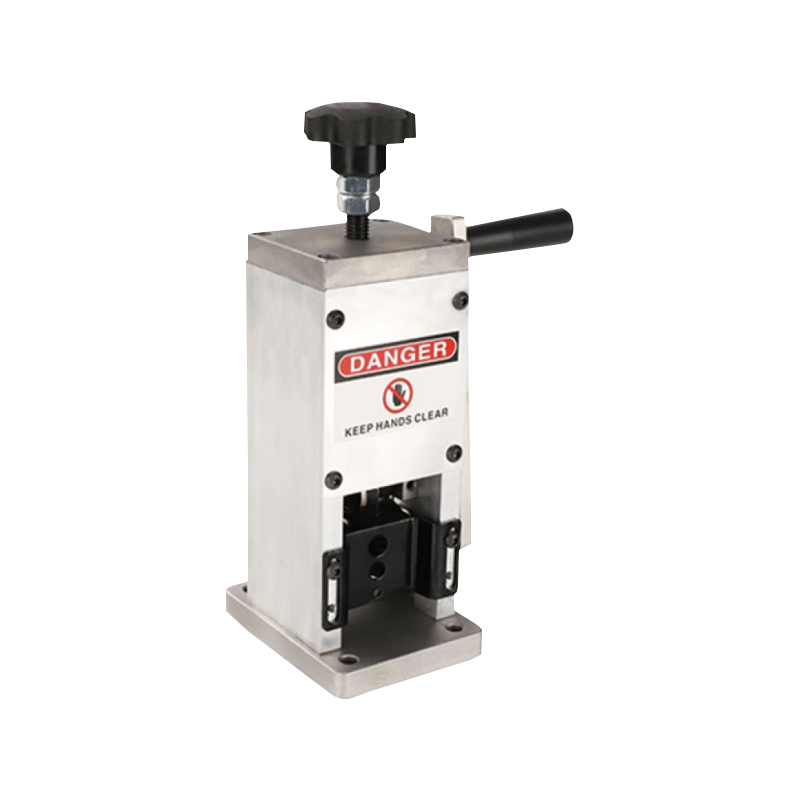
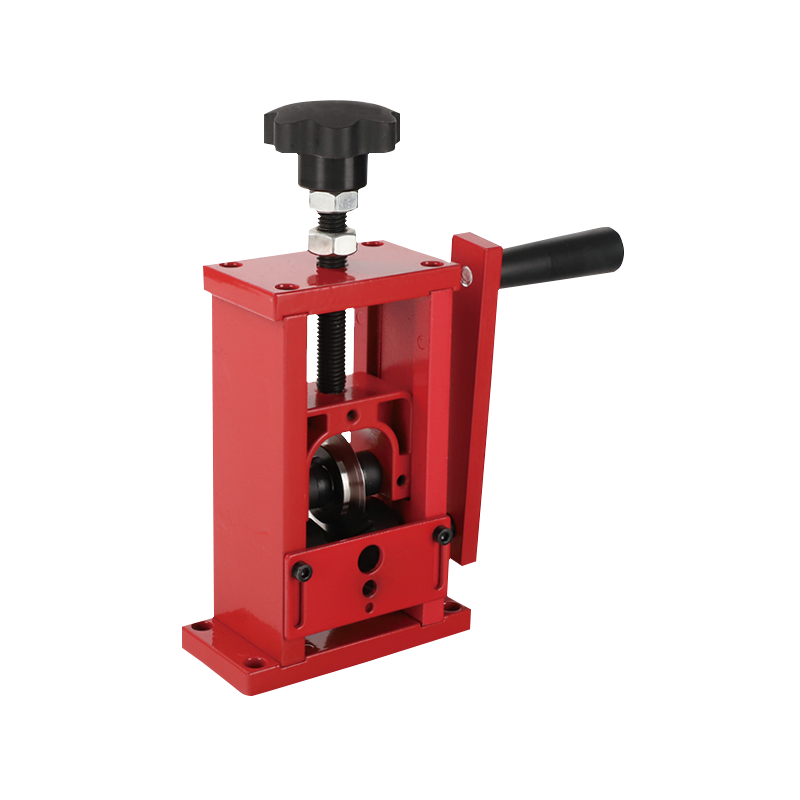
The working principle is straightforward. The operator places the wire into the correct slot based on diameter, applies steady pressure, and pulls to remove insulation cleanly. This simplicity reduces mistakes caused by incorrect settings or unstable power supply.
Because the process is manual, it adapts well to mixed wire tasks. Switching from thin signal wires to thicker power cables does not require complex setup. This flexibility is one reason many technicians continue to rely on a Hand Stripping Machine even when automated options are available.
Common Pain Points in Wire Preparation
- Inconsistent Strip Length
Uneven stripping creates problems during crimping or terminal connection. Manual control allows operators to visually align strip length every time.
- Damaged Conductors
Cutting too deeply weakens copper or aluminum cores. A well-designed Hand Stripping Machine focuses pressure on insulation rather than the conductor itself.
- Limited Workspace
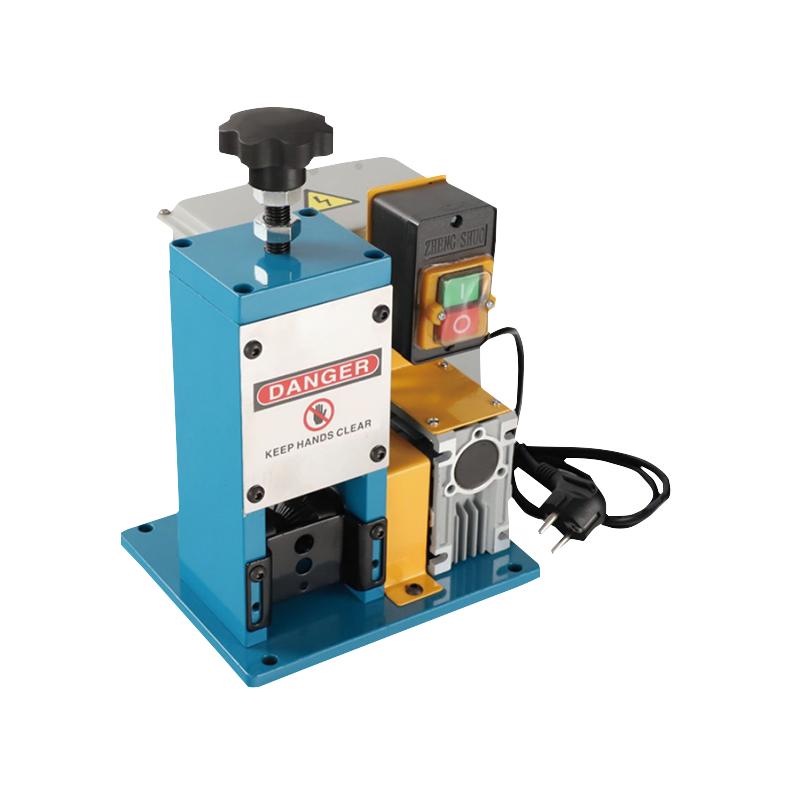
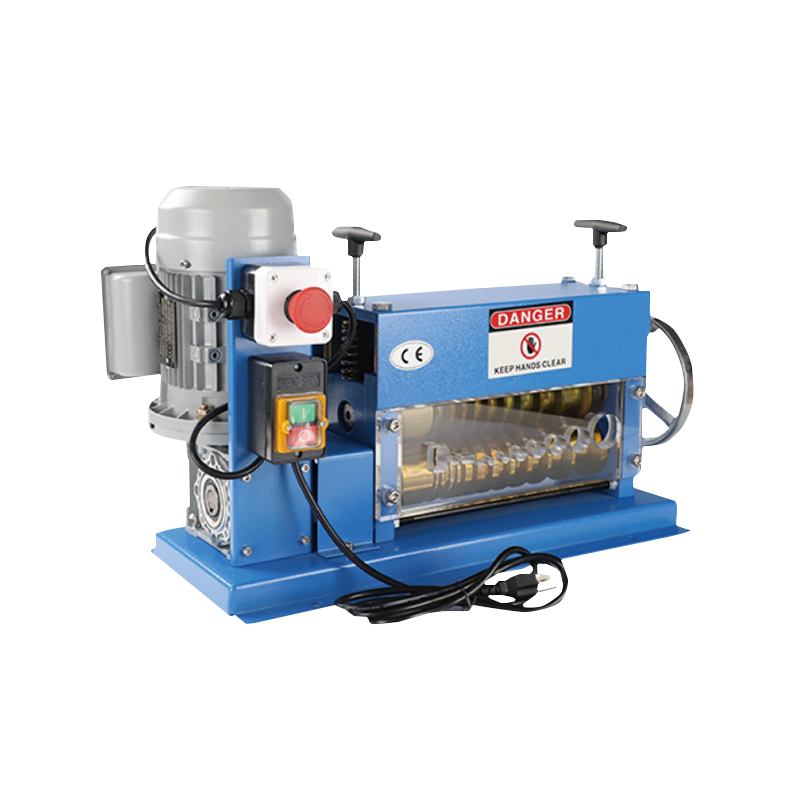
Large electric machines occupy bench space and need power access. Manual equipment remains usable in tight workshops or outdoor locations.
- Training Time
Complex systems require longer learning cycles. Manual tools are easier to understand, reducing early-stage errors in daily work.
Key Features That Matter in Daily Use
- Portability for Flexible Work Locations
Lightweight construction allows operators to move between stations without downtime. This is especially helpful for maintenance teams or mobile technicians.
- Adjustable Wire Range
Different insulation materials react differently during stripping. Adjustable settings allow smoother handling of PVC, rubber, or similar coatings without changing tools.
- Stable Mechanical Structure
Consistent stripping depends on alignment. Solid frames and balanced pressure help maintain steady results during repeated use.
- Long-Term Usability
Factories value tools that maintain performance over time. Durable materials support ongoing production tasks without frequent replacement.
- Customization and Production Support
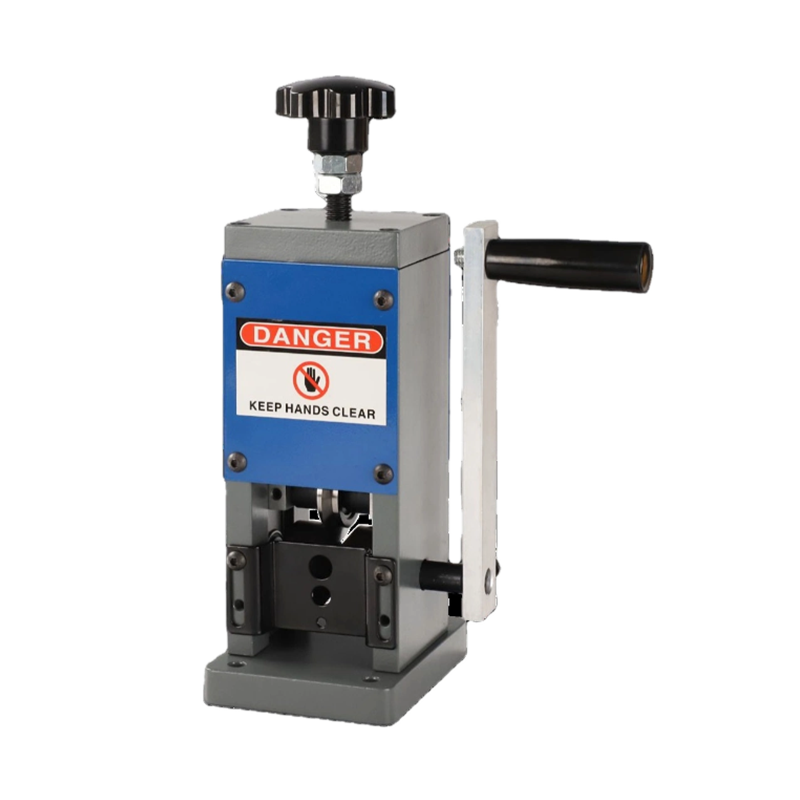
Some factories require non-standard wire sizes or mixed material handling. Direct communication with a Hand Stripping Machine Manufacturer allows tailored solutions without unnecessary features. Custom adjustments help maintain consistency across batches and reduce operator fatigue.
Technical documentation, usage guidance, and spare component availability also matter. These details support stable operation over long production cycles.
Why Manual Stripping Still Matters Today
Despite automation trends, manual tools remain essential in wire preparation. They support precision-focused tasks, small production runs, and environments where adaptability matters more than output volume. A Hand Stripping Machine continues to serve as a practical tool that aligns with real working conditions rather than idealized production models.
For factories seeking dependable wire preparation without added complexity, choosing the right Hand Stripping Machine Manufacturer and understanding how the tool fits daily operations makes a noticeable difference in workflow efficiency and product consistency.