
 EN
EN  English
 русский
 Español
 عربى
عربىWhat Is an Automatic Stripping and Crimping Machine?
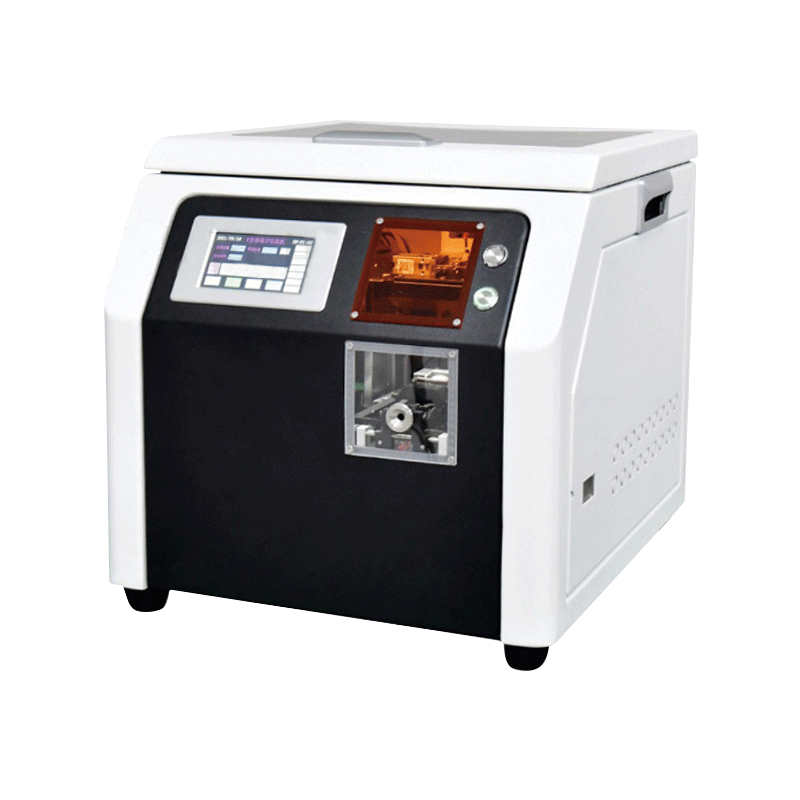
For manufacturers of wire harnesses, cable assemblies, or control panels, processing wires manually creates two major risks: inconsistent strip lengths and unstable crimp heights. Both can result in intermittent electrical failures or field returns. To solve this, many plants now rely on an automatic stripping and crimping machine. This equipment integrates cutting, stripping, and terminal application into one continuous cycle, replacing manual benching with repeatable precision.
Below, we explain how this technology works, why it improves production stability, and what to consider when specifying one for your factory.
How the Wire Processing Sequence Works
An automatic stripping and crimping machine starts with a servo-driven wire feeding system. A coil of cable is mounted on the dereeler, and rollers pull the wire forward to a programmed length. The operator inputs target length, strip length, and crimp depth via a touchscreen. Once started, the cutter separates the wire, and stripping blades remove insulation without nicking the copper strands.
After stripping, the exposed conductor moves into the crimping station. Meanwhile, a terminal feeder advances a metal contact into the crimp tooling. The termination press then applies controlled force to form a gas-tight connection between the wire and the terminal. Modern versions of the automatic stripping and crimping machine include a crimp force monitor (CFM) that checks every cycle. If a crimp falls outside tolerance, the machine flags that production piece or stops automatically.
Why Factories Automate Stripping and Crimping
Consistency is the main reason for automation. In manual crimping, two operators may apply different force levels, and the same operator may tire over an eight-hour shift. An automatic stripping and crimping machine eliminates that variable. Each wire receives an identical strip length, the same conductor brush position, and equal crimp height.
Another benefit is throughput. A typical automated system processes 3,500 to 5,000 wires per hour, depending on wire length and terminal type. For high-volume products like appliance wiring or automotive seat harnesses, the output reduces labor cost per piece significantly. Additionally, many machines store recipes for different wire types—so switching from 18 AWG to 22 AWG takes under two minutes.
Key Quality Features to Look For
When purchasing an automatic stripping and crimping machine, focus on three specifications:
1. Stripping accuracy – Look for ±0.2 mm or better.
2. Crimp height monitoring – Closed-loop systems are preferred.
3. Terminal feeding consistency – Pneumatic or servo feeders reduce jams.
Also, check if the machine supports open and closed barrel terminals. Many general-purpose models handle both, but high-speed applications may require dedicated tooling.
Common Applications in Industry
You will find the automatic stripping and crimping machine in electronics manufacturing, automotive Tier 1 suppliers, LED lighting production, and industrial control panel shops. Any environment that processes more than 500 terminated wires per day benefits from automation. Even for low-volume, high-mix production, storing digital recipes reduces changeover errors compared to manual setups.
Switching from manual stripping and crimping to an automated system reduces three costly problems: damaged conductors, inconsistent pull-test values, and rework due to terminal winging. A properly maintained automatic stripping and crimping machine delivers traceable quality records, higher uptime, and predictable hourly output. For plant managers looking to stabilize wire processing and lower hidden defect costs, this technology is no longer optional—it is a standard part of lean manufacturing.