
 EN
EN  English
 русский
 Español
 عربى
عربىIs a Hand Crank Wire Stripping Machine Practical?
Position in small recycling operations is more situational than fixed
In copper recycling work, equipment choices rarely follow a single rule. A hand crank wire stripping machine tends to appear in setups where volume is not constant, or where operators prefer mechanical control instead of powered systems.
Some workshops use it daily. Others only bring it out when mixed wire piles up. That difference is actually quite common in scrap environments.
A hand crank wire stripping machine is not positioned as core industrial equipment, but it still stays in circulation longer than expected.
Part of the reason is simple. It does not depend on the power supply. That alone changes how and where it is used.
Mechanical structure and working behavior
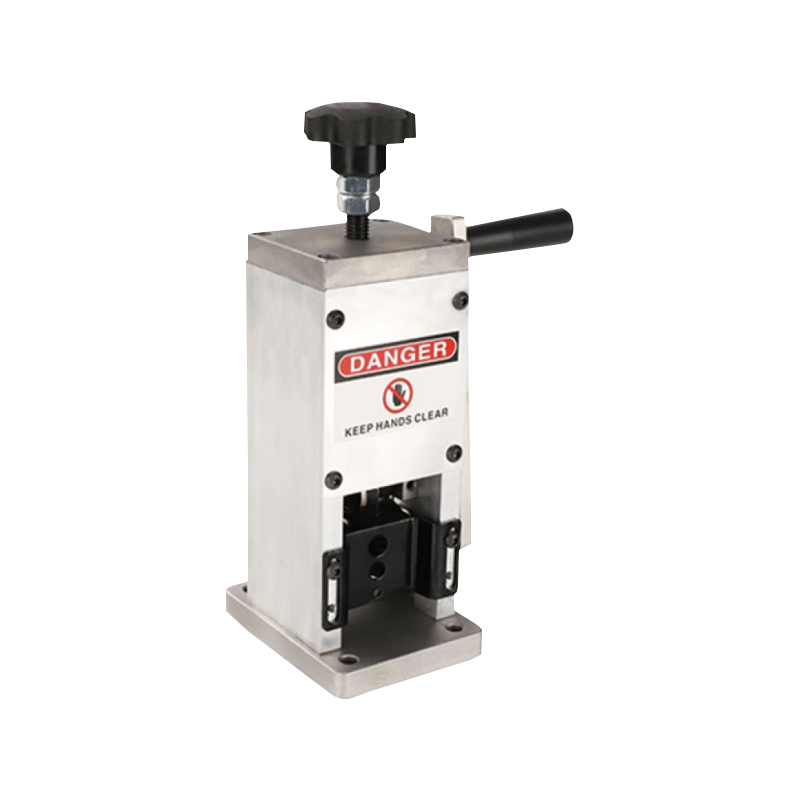
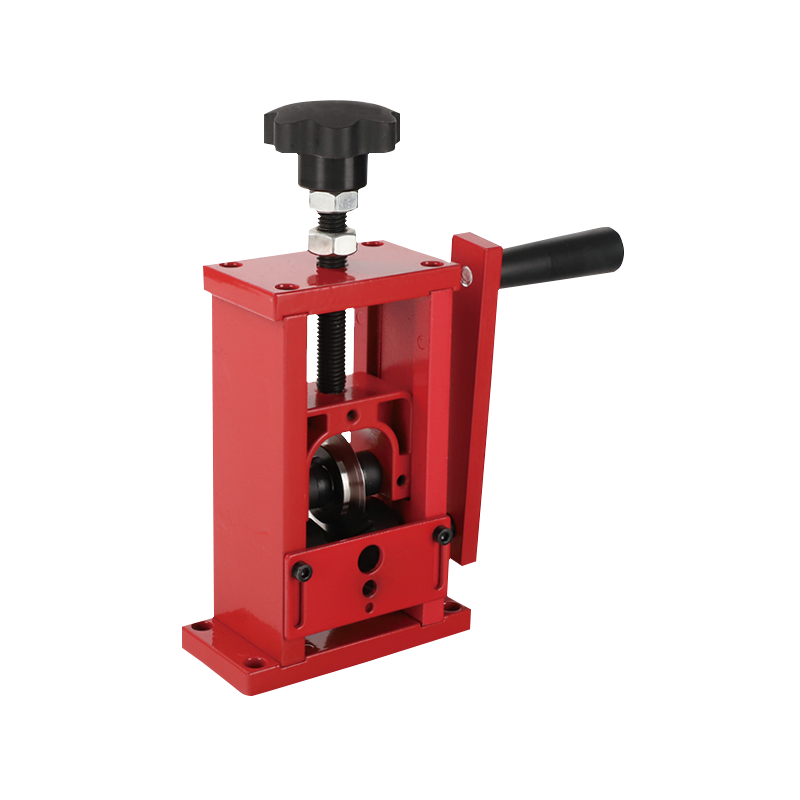
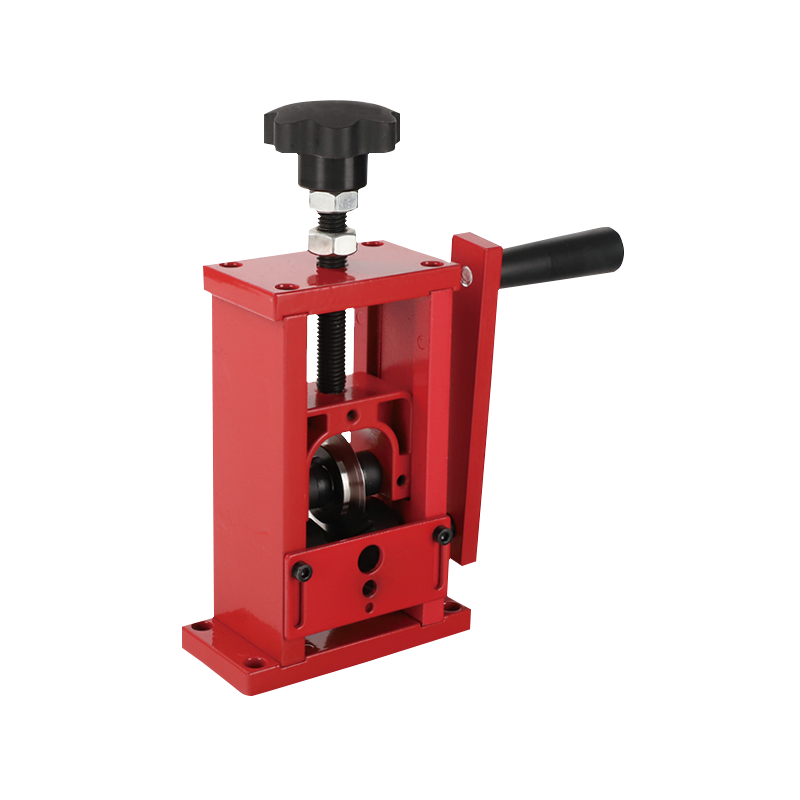
The structure of a hand crank wire stripping machine is relatively straightforward, but usage behavior is less uniform than it looks.
Wire is fed manually, blades adjust to diameter, and rotation controls stripping speed. In theory, it is linear. In practice, operators often slow down or adjust the rhythm depending on the wire condition.
Key structural elements include:
- steel frame that reduces vibration during manual operation
- adjustable cutting blades for different insulation thicknesses
- crank handle connected through gear transmission
- separation path for copper and insulation output
A hand crank wire stripping machine usually ends up mounted on whatever surface is available. Workbench, wooden table, sometimes even temporary frames in mobile scrap setups.
It is flexible in that sense, but not standardized in installation.
Comparison with other stripping approaches (real usage view)
Instead of ranking tools, many recyclers simply match tools to workload patterns.
|
Method |
Typical usage behavior |
Observed limitation |
|
Knife stripping |
irregular small jobs |
inconsistent output |
|
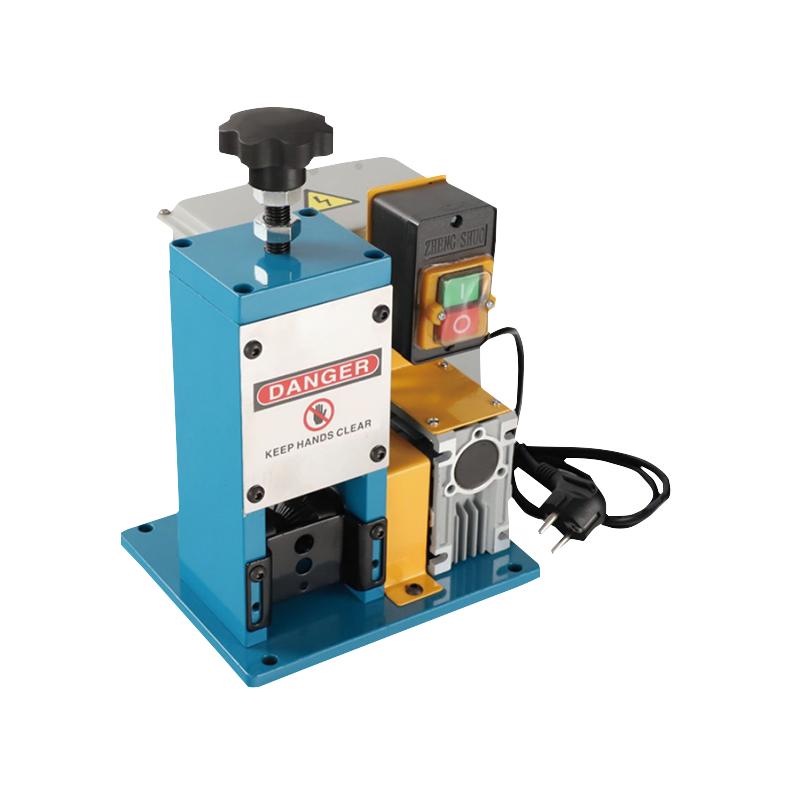
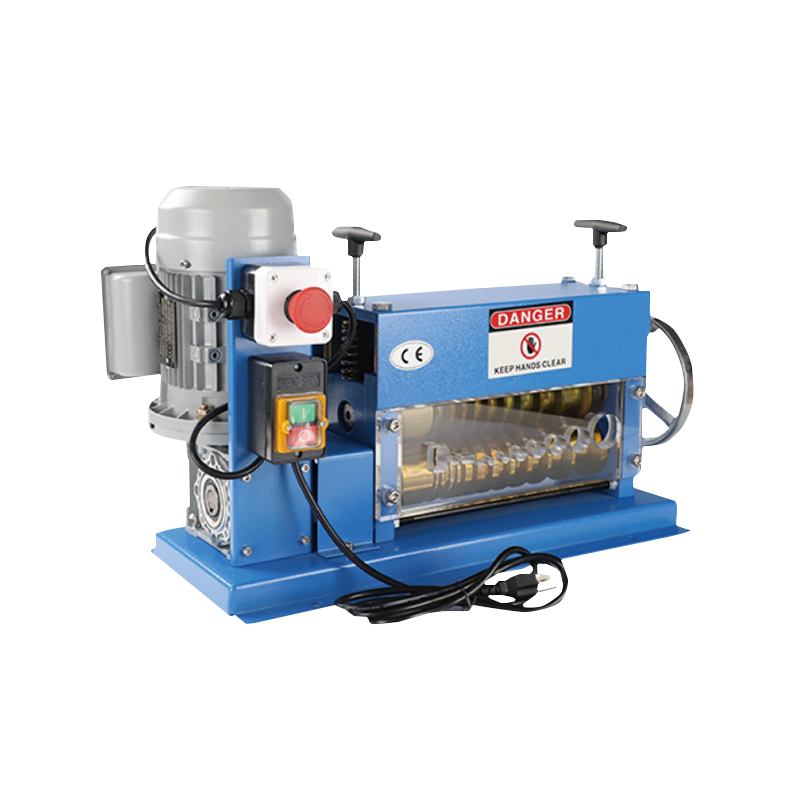
Electric stripping machines |
continuous processing |
needs a stable power setup |
|
Hand crank wire stripping machine |
intermittent batch work |
depends on the operator's rhythm |
A hand crank wire stripping machine sits in the middle, but not in a fixed way. Some operators treat it as a primary tool, others as backup when other systems are busy.
That flexibility is not always mentioned, but it shows up in real scrap yards.
Where it actually gets used in copper recycling
Field use is less structured than product descriptions suggest.
A hand crank wire stripping machine is often seen in:
small demolition recovery sites where wire types are mixed
residential renovation scrap sorting
electrical contractor leftovers after installation jobs
small recycling stations handling daily incoming wire batches
What stands out is variability. Wire types change frequently, and that affects how the machine is operated rather than whether it is used.
Some operators adjust blade depth multiple times in one session. Others keep it fixed for convenience.
A hand crank wire stripping machine adapts to that kind of workflow without much setup interruption.
Efficiency is not only about speed
When discussing a hand crank wire stripping machine, speed is usually the primary assumption. But in actual recycling work, consistency often matters more.
For moderate weekly volumes, processing remains stable once the operator's rhythm is established. But the more relevant factor is the interruption rate.
No power delays. No motor cooling cycles. No system resets.
Just continuous mechanical feed.
That is why a hand crank wire stripping machine often stays in use even when faster systems exist nearby.
Maintenance pattern is simple but not ignored
Maintenance is minimal, though not entirely absent.
Typical observations include:
- Blade wear appears gradually, depending on the wire insulation type
- Residue buildup affects feed smoothness over time
- Crank resistance increases slightly when not cleaned regularly
- Alignment shifts after long continuous use sessions
A hand crank wire stripping machine does not require scheduled servicing in many small shops, but operators usually adjust it when performance feels slightly off rather than following strict intervals.
That behavior is fairly consistent across recycling environments.
Operational boundaries that appear in practice
A hand crank wire stripping machine is not used the same way everywhere.
Limitations tend to appear only under certain conditions:
- high-volume continuous stripping environments
- thick industrial cable processing
- automation-focused recycling lines
- time-sensitive bulk copper processing jobs
Outside those conditions, usage remains relatively stable.
In many cases, even when electric machines are available, the manual crank unit is not removed from the workflow. It stays as a secondary processing point.
Market role in the recycling equipment landscape
From a supply perspective, a hand crank wire stripping machine continues to occupy a steady segment of the copper recycling equipment market.
Demand is widely linked to:
- small scrap collectors working independently
- workshops with variable daily intake
- mobile recycling operations without fixed infrastructure
- entry-level users testing copper recovery workflows
It does not replace automated systems, and it is not positioned as high-output equipment. Its role is more about accessibility and operational flexibility.