
 EN
EN  English
 русский
 Español
 عربى
عربىScrap Copper Stripping Machine For Mixed Wire Recovery
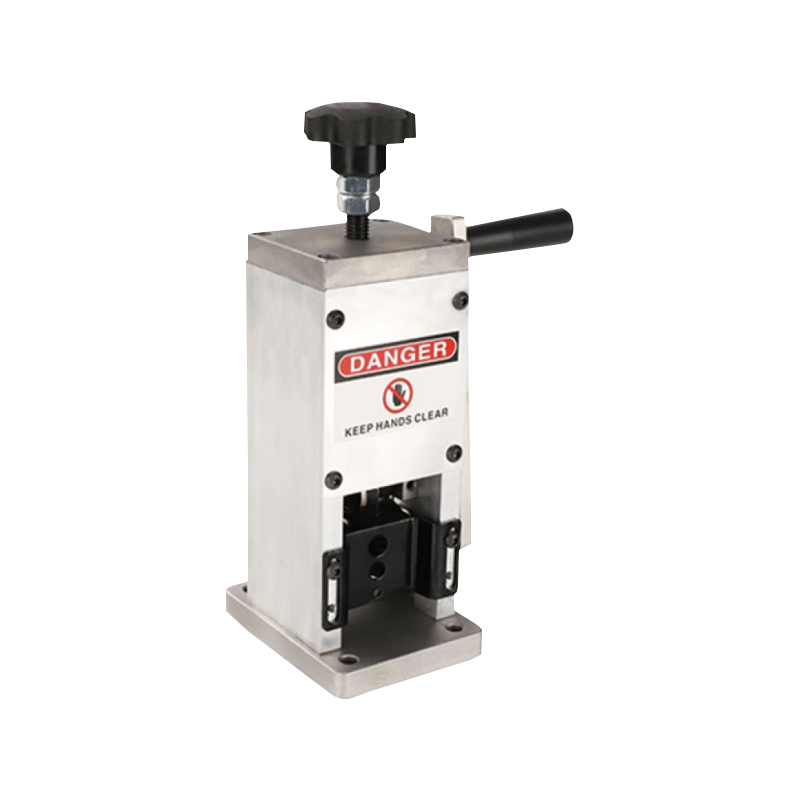
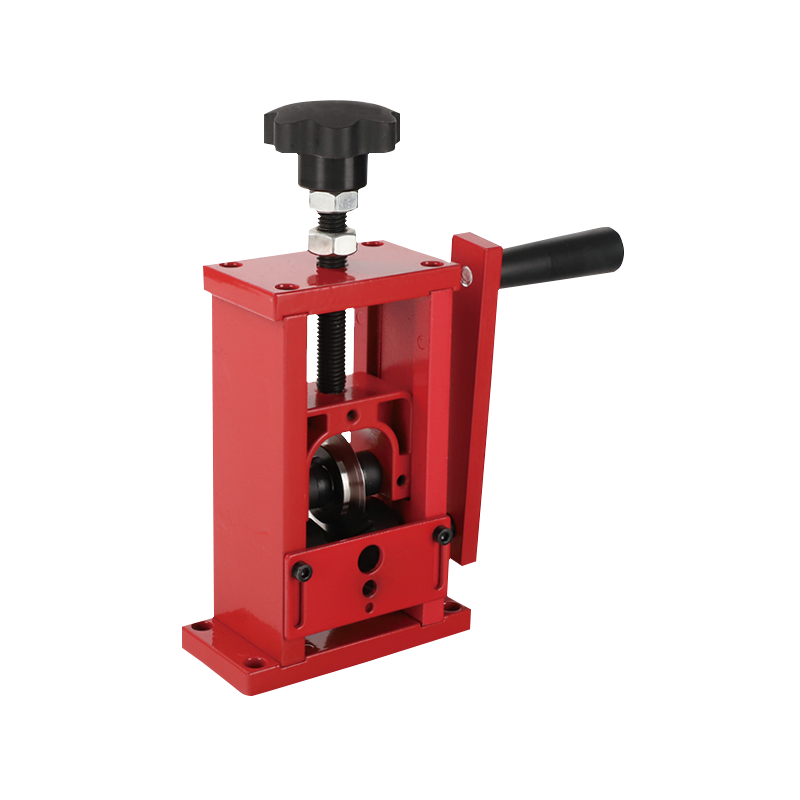
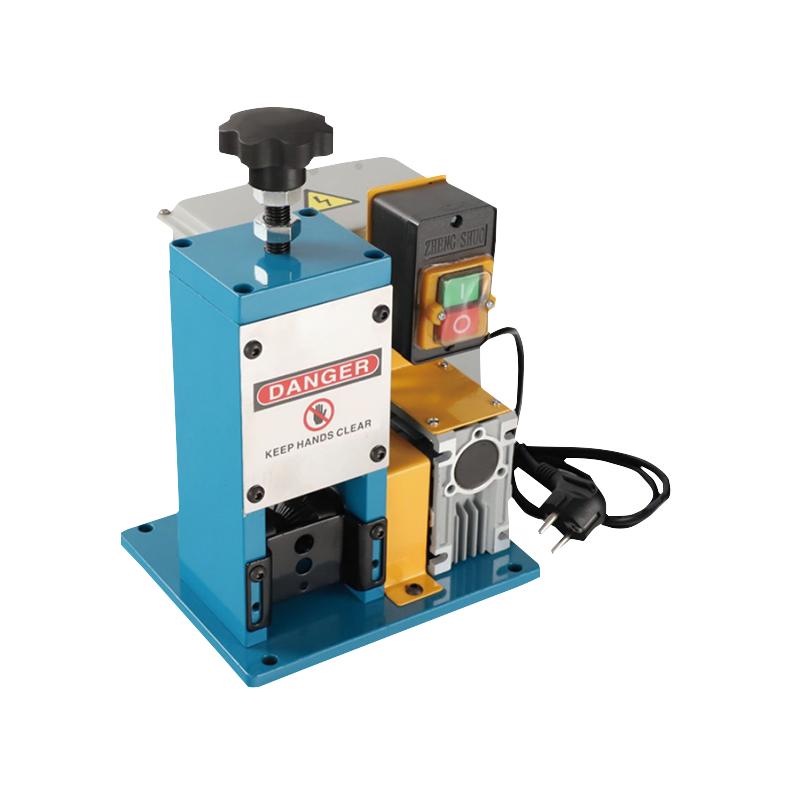
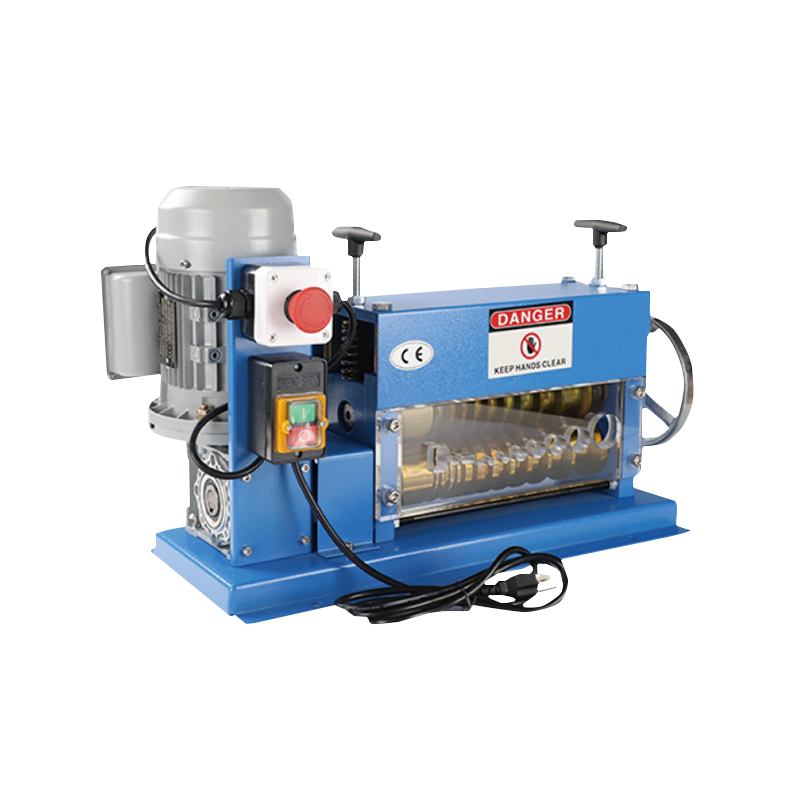
A scrap cable processor rarely receives one uniform type of wire throughout the day. Incoming material may contain different diameters, plastic insulation, rubber sheaths, hard copper cores, or copper/aluminum conductors. For this type of operation, Zhejiang Wending Electromechanical Technology Co., Ltd. manufactures the M-038 Scrap Copper Stripping Machine as a compact electric stripping unit for removing insulation from waste wires.
Processing Waste Wire Without Replacing The Machine
The M-038 is designed around a 1.5–38 mm wire diameter range. For a recycling workshop, that range can cover many of the cable sizes that arrive from electrical dismantling, cable processing, and scrap collection operations. The operator selects a suitable inlet opening according to the wire size, then feeds the material through the stripping mechanism.
For buyers comparing a waste copper wire stripper, the usable diameter range deserves attention because scrap feedstock is rarely as uniform as newly manufactured cable. A machine that covers several common sizes can remain useful when the incoming material changes between batches.
The M-038 also handles hard copper wire, copper/aluminum core wire, electric cable, multicore wire, and sheath wire. Its cutting system removes plastic or rubber insulation while exposing the internal conductor for subsequent sorting or collection.
Copper Recovery Starts With Controlled Insulation Removal
The purpose of stripping scrap cable is different from preparing wire for a new electrical assembly. A recycling operation needs to separate the insulation from the conductive material efficiently enough for the following handling stage.
A Scrap Copper Stripping Machine provides a mechanical method for opening the outer insulation rather than relying entirely on hand tools. The M-038 uses a high-strength cutter made from imported bearing steel, while its stripping range can be adjusted across the stated 1.5–38 mm diameter range.
For copper scrap buyers and processors, the condition of the recovered conductor still matters. Blade depth and feeding conditions should be set according to the actual cable construction. Excessive cutting depth can affect the conductor, while insufficient depth may leave insulation attached. Sample testing with the buyer's actual scrap material is therefore a useful part of equipment evaluation.
A Compact Machine Fits Smaller Processing Areas
Floor space can become a practical purchasing constraint in scrap processing workshops. Large vertical machines may suit higher-volume operations, but smaller facilities may prefer equipment that can be positioned directly on an existing workbench.
The M-038 has a listed machine size of 340 × 650 × 400 mm and weighs approximately 40 kg. Its aluminum structure is intended for portable installation, and the machine can be mounted on a workbench rather than requiring a large dedicated production area.
|
Scrap Processing Condition |
M-038 Configuration |
Purchasing Check |
|
Mixed cable diameters |
1.5–38 mm stripping range |
Compare the actual incoming wire sizes |
|
Plastic-insulated scrap |
Mechanical blade stripping |
Test insulation hardness before production |
|
Rubber-sheathed wire |
Suitable for listed sheath wire applications |
Confirm material construction with samples |
|
Limited workshop space |
340 × 650 × 400 mm footprint |
Check available bench and operator space |
|
Mobile processing point |
Approx. 40 kg machine weight |
Consider bench strength and relocation needs |
|
Different power standards |
110V/220V options listed |
Confirm local voltage before ordering |
Motor Power Should Match The Processing Setup
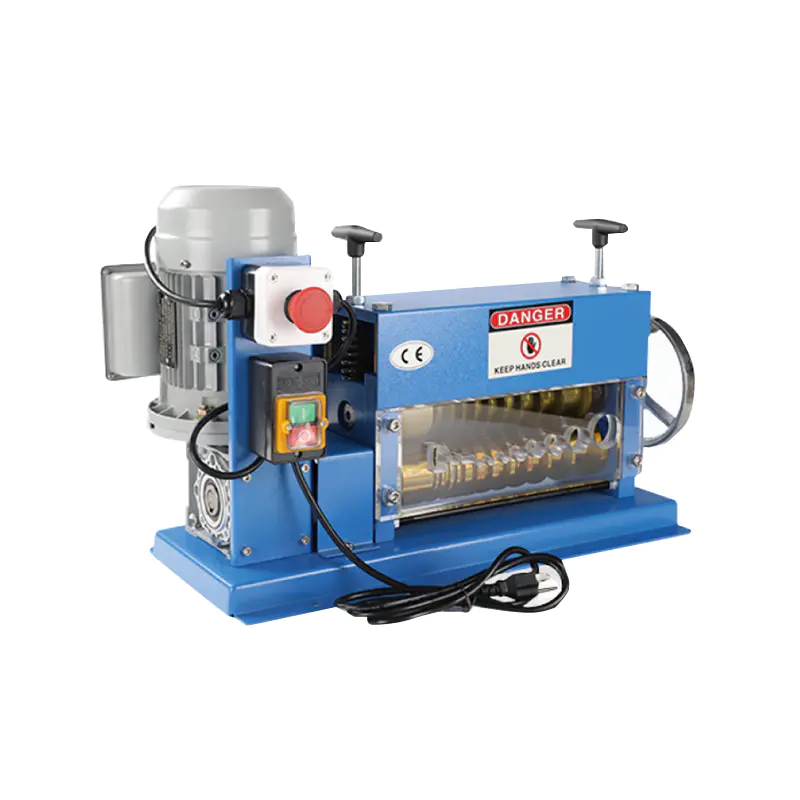
The M-038 uses a single-phase 1/4 HP motor with a listed power rating of 180 W. The machine operates through an ON/OFF control beside the motor, giving the operator direct control during stripping work. The manufacturer lists a stripping speed of approximately 60 feet per minute.
For a copper wire recycling machine, motor specifications should be reviewed together with the type of scrap being processed. Thick, stiff cable can behave differently from smaller flexible wire, so a published speed figure should not be treated as a universal production rate for every material.
Buyers can provide sample cables, diameter ranges, expected daily processing volume, and local electrical requirements when discussing the machine with Wending. Such information gives the manufacturer a practical basis for checking whether the M-038 configuration fits the intended operation.
Blade Material Matters During Repeated Scrap Processing
Scrap wire can contain inconsistent insulation thickness, surface contamination, and mixed cable constructions. The M-038 uses high-quality imported bearing steel for its cutter.
For a Scrap Copper Stripping Machine, cutter material is worth checking because the blade is directly involved in repeated insulation removal. Buyers should also ask about blade replacement, adjustment procedures, and recommended maintenance intervals before placing a larger equipment order.
Zhejiang Wending Electromechanical Technology Co., Ltd. manufactures the M-038 within its electric wire stripping machine range. The company states that its factory covers more than 5,000 square meters and includes R&D, production, quality, purchasing, sales, and mold R&D departments. It also identifies itself as an OEM manufacturer of the M-038 and offers custom labeling and color options.
For overseas scrap processors evaluating a Scrap Copper Stripping Machine, the equipment specification should therefore be matched against actual incoming wire rather than estimated from copper recovery targets alone. Wire diameter, insulation type, conductor material, working space, voltage, and expected operating schedule provide a more useful starting point for configuration discussions with the manufacturer.