
 EN
EN  English
 русский
 Español
 عربى
عربىVertical Electric Stripping Machine: Modular Tool Heads Explained
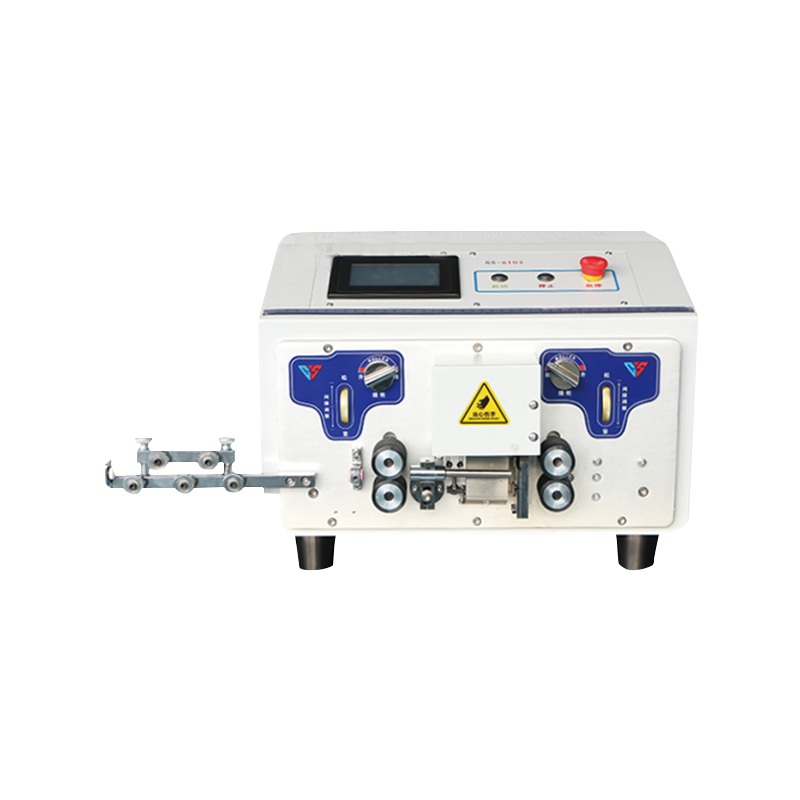
A production line switching between shielded coaxial cable and flat ribbon wire used to mean either a full machine changeover or accepting inconsistent stripping quality on whichever wire type wasn't the machine's primary design target. A Vertical Electric Stripping Machine built around modular tooling changes that equation, letting a single base unit adapt to multiple wire formats without the downtime a fixed-configuration machine requires.
What Modularity Actually Means Inside the Housing
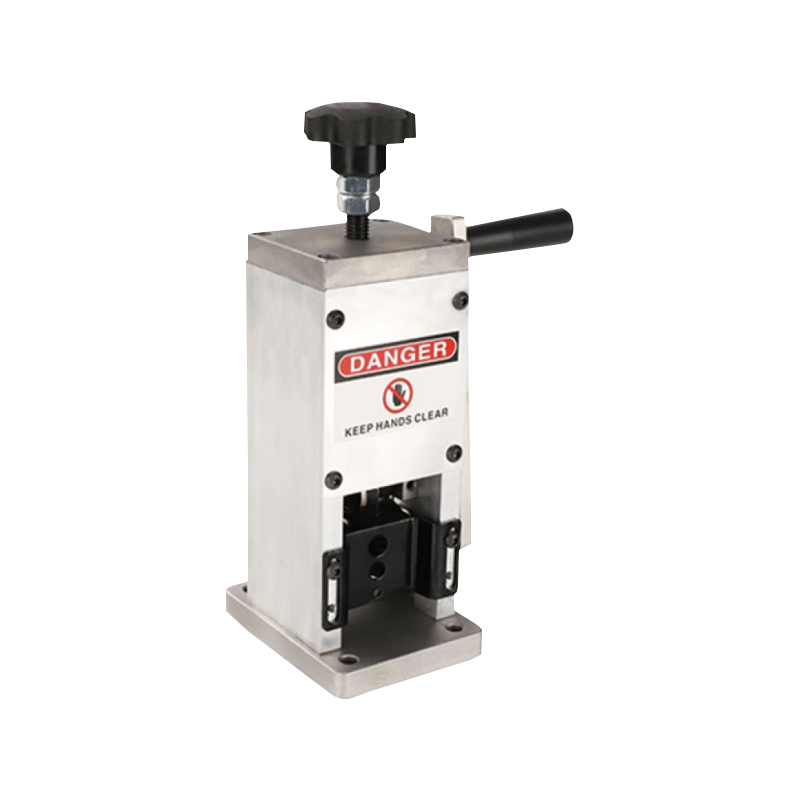
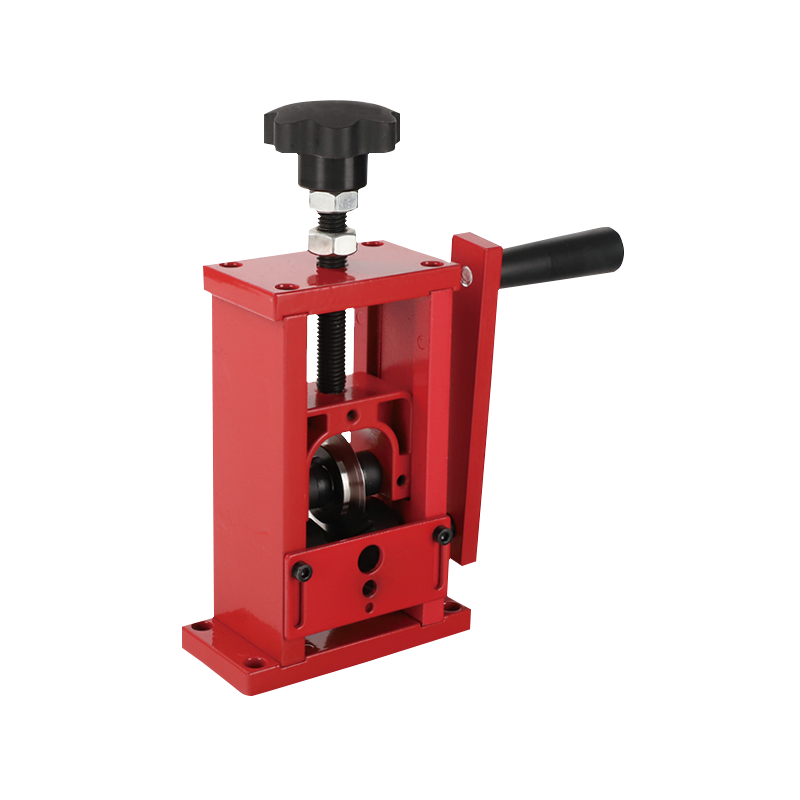
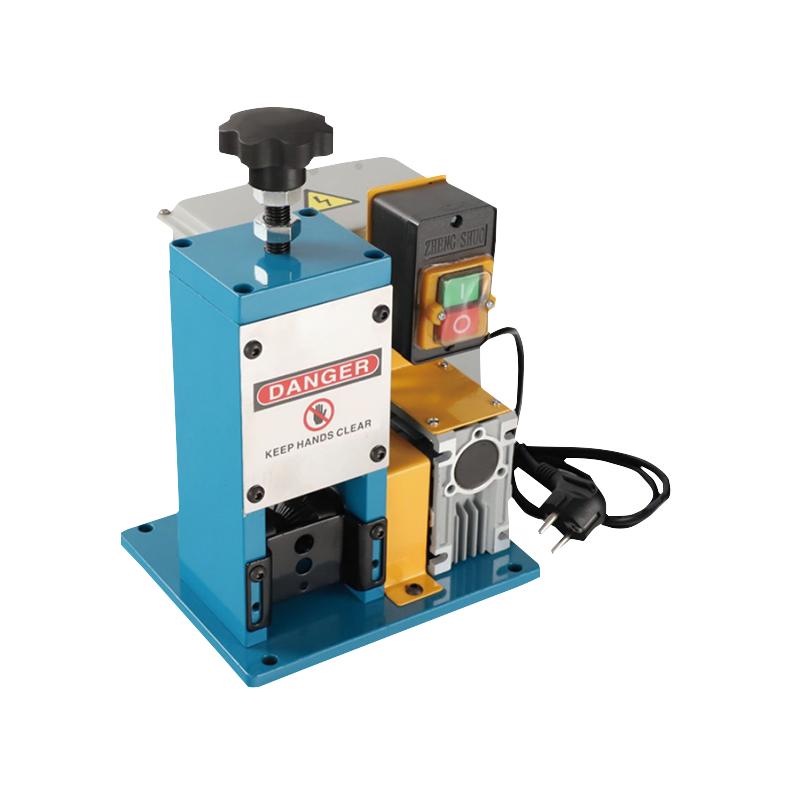
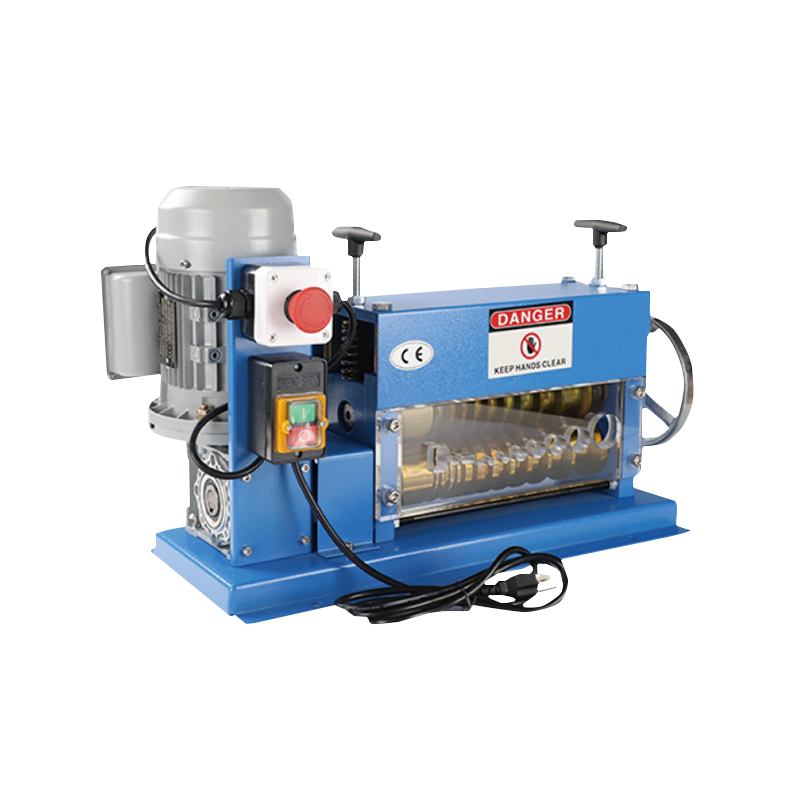
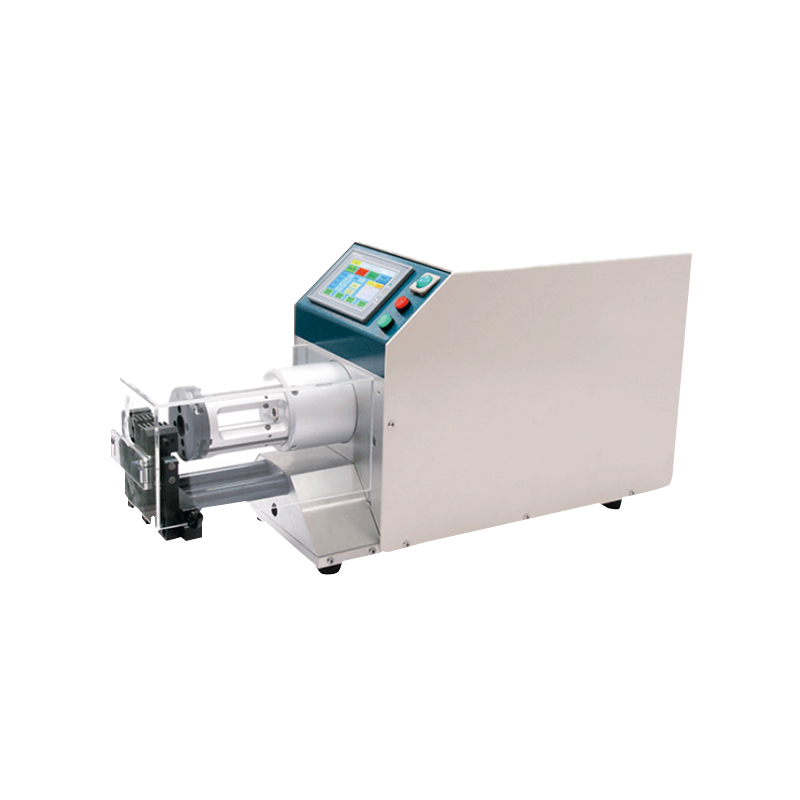
The modularity that defines a Vertical Electric Stripping Machine lives in three specific subsystems: tool heads, blade assemblies, and cable feed units, each of which can be swapped or reconfigured independently based on the wire type being processed. Buyers evaluating this category should understand that modularity isn't a single feature but a design philosophy applied across multiple mechanical subsystems simultaneously, which is what allows the machine to handle insulation materials ranging from silicone and Teflon to PVC and XLPE without a full teardown between jobs. A modular tool head design built this way keeps changeover limited to the specific component that needs to change, rather than requiring adjustment across the entire machine.
Vertical Orientation Solves a Mechanical Problem, Not Just a Footprint One
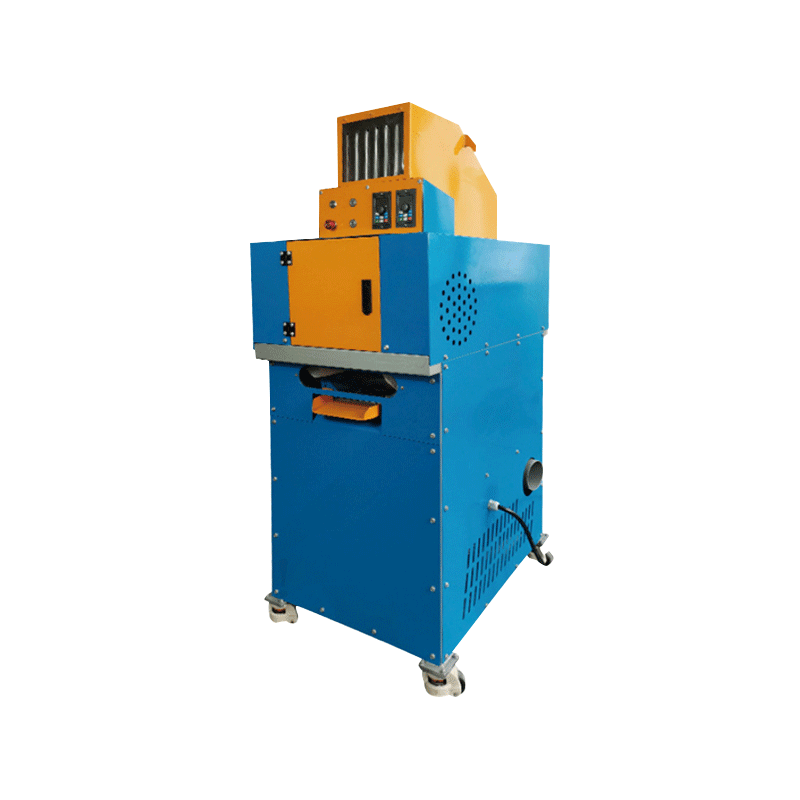
The vertical configuration in a Vertical Electric Stripping Machine does more than reduce the equipment's floor footprint, though that space savings matters for buyers with limited factory floor area. Vertical orientation also provides gravity-fed wire handling, which contributes to more stable wire positioning during the stripping process and reduces mechanical wear compared to horizontal feed configurations that fight gravity rather than working with it. Buyers running high-volume applications should factor this durability advantage into total cost of ownership calculations, since reduced mechanical wear translates into longer service intervals between maintenance cycles.
Comparing Fixed and Modular Configuration Approaches
|
Configuration Factor |
Fixed-Configuration Machine |
Modular Vertical Machine |
|
Wire format changeover |
Requires reconfiguration or separate machine |
Tool head and blade swap |
|
Insulation material range |
Narrower, tuned to one material |
Broad, silicone through XLPE |
|
Setup time between jobs |
Higher |
Reduced with stored parameters |
|
Floor footprint |
Standard |
Smaller, vertical orientation |
Software-Stored Parameters Reduce Setup Variability
A Vertical Electric Stripping Machine paired with configurable software lets operators store wire-specific parameters rather than manually resetting stripping length, depth, and rotational speed for every job change. This matters directly for buyers running mixed-batch production, since stored parameter sets reduce the chance of operator error introducing insulation stripping accuracy problems that a manual reset process is more prone to. Buyers should confirm how many parameter sets a given machine can store and how quickly operators can switch between them during a shift.
Application Fit for High-Voltage Cable Processing
Buyers in the new energy vehicle sector increasingly specify a high-voltage cable stripping machine capable of handling the multiple insulation layers and tight tolerance requirements that high-voltage harness cables demand. A Vertical Electric Stripping Machine deployed for this application needs to maintain consistent stripping accuracy across a range of cable diameters, since high-voltage orange cables used in electric powertrains vary considerably in cross-section from one harness point to another within the same vehicle design.
Certification and Customization for OEM Buyers
Buyers sourcing a Vertical Electric Stripping Machine for integration into an existing production cell should request documentation covering CE certification and the manufacturer's relevant tooling patents, since this affects both import compliance and long-term parts availability. Manufacturers running an in-house mold research and development center can typically accommodate custom tool head configurations for buyers with wire specifications outside standard catalog offerings, which matters for buyers processing wire types specific to their industry that a general-purpose tool head wasn't originally designed to handle.