
 EN
EN  English
 русский
 Español
 عربى
عربىWhat Should Buyers Check Before Choosing a Hand Stripping Machine?
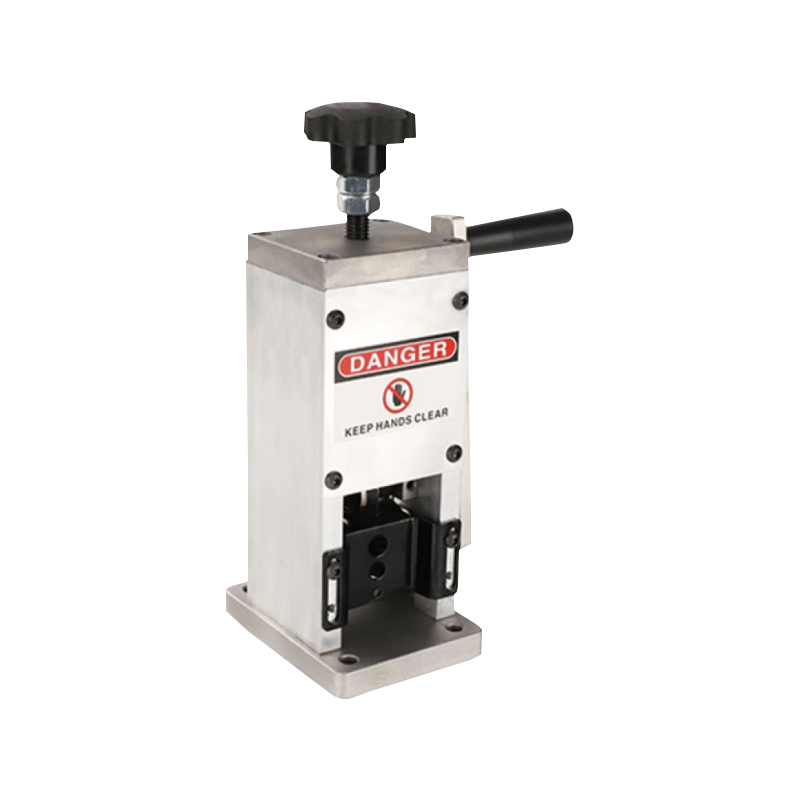
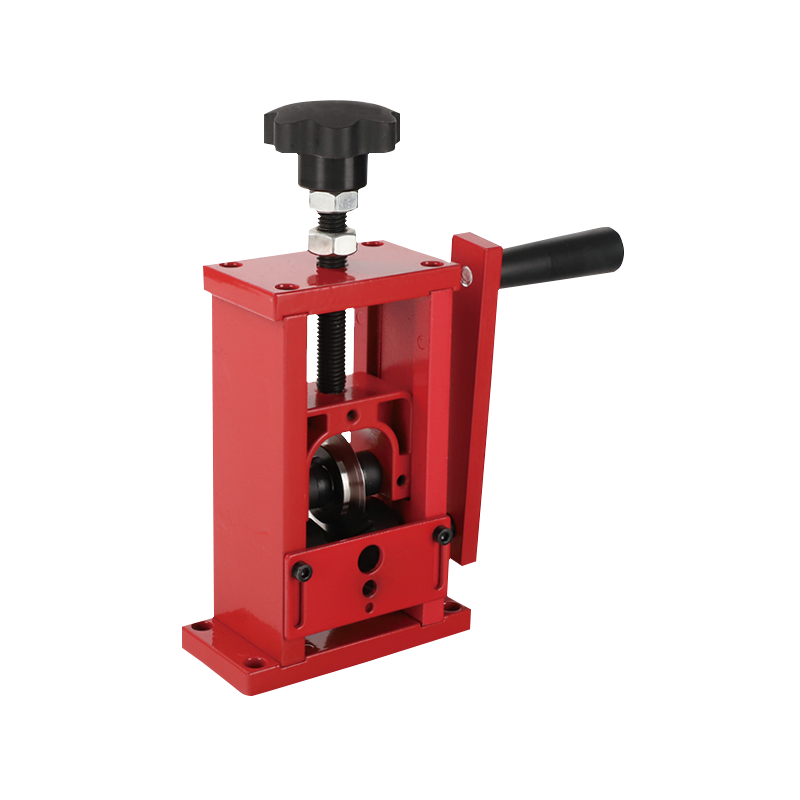
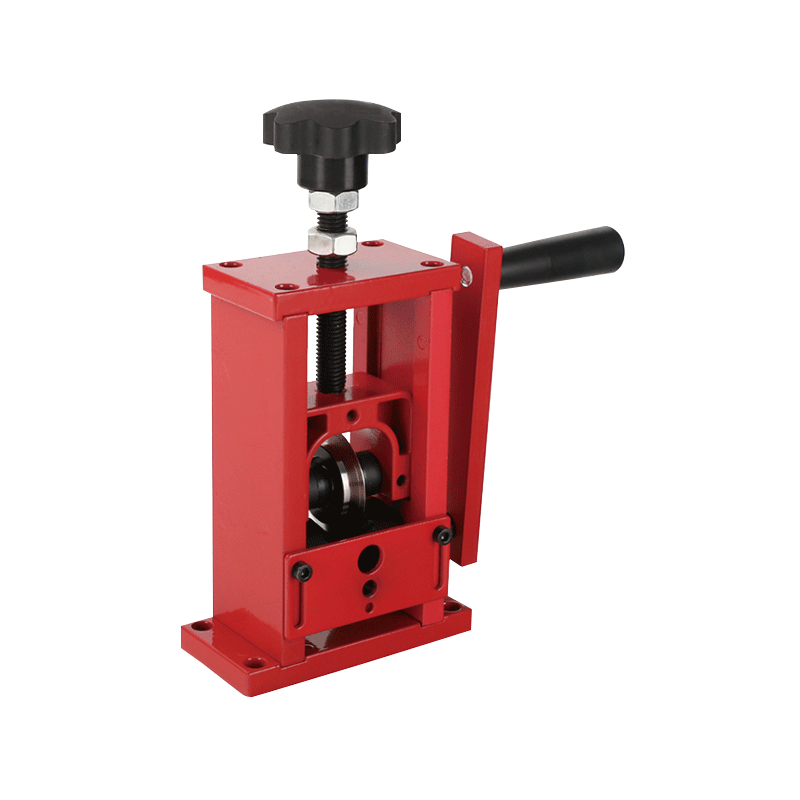
A small electrical repair shop and a field service technician working out of a van have different needs, but both often end up evaluating the same category of equipment: a manual tool that doesn't require power access or a dedicated production line setup. A Hand Stripping Machine fits both use cases well, but buyers should verify a handful of specifics before assuming every manual crank stripper on the market meets their actual working conditions. Matching a Hand Stripping Machine to the actual job, rather than the closest catalog listing, is where sourcing decisions typically go right or wrong.
Confirm the Wire Diameter Range Matches Real Jobs, Not Just the Headline Spec
A Hand Stripping Machine advertised with a stripping diameter doesn't necessarily perform equally well across its full rated range, and buyers should ask specifically whether cutting precision holds consistent at both the low and high end of that range rather than only at a middle reference point. Buyers working primarily with thin electronics wiring have different requirements than those handling thicker automotive or construction cable, and a manual wire stripping tool rated for a broad range may not be optimized evenly across all of it.
Portability Matters More for Some Buyers Than Others
Field service technicians and buyers stocking tools for on-site electrical repairs should weigh portability heavily when choosing a Hand Stripping Machine, since a hand-cranked wire stripper that's compact and lightweight transports easily between job sites, while a bulkier unit better suited to a fixed workshop bench sacrifices that convenience for other advantages like handling a wider wire range. Buyers should be clear about their primary use case before comparing models purely on stripping capacity, since a portable tool and a bench-mounted tool solve different problems even within the same broad product category.
A Sourcing Checklist for a Hand Stripping Machine
|
Sourcing Question |
Why It Matters |
|
Does accuracy hold across the full rated diameter range? |
Prevents inconsistent results at range extremes |
|
Is the unit compact enough for field or mobile use? |
Determines suitability for on-site repair work |
|
What materials are used in the cutting mechanism? |
Affects durability and long-term precision |
|
Can wire gauge adjustments be made without extra tools? |
Affects ease of use across varied jobs |
|
Does the supplier offer OEM customization? |
Matters for buyers building a private-label tool line |
Durability Depends on Materials, Not Just Mechanism Design
A portable cable stripping tool built from higher-quality materials resists the wear that comes from daily use better than a lower-cost equivalent built to a similar mechanical design, and buyers should ask suppliers directly about the materials used in load-bearing components rather than assuming all manual stripping tools of similar appearance perform equivalently over time. This distinction matters a great deal for buyers purchasing in volume for distribution, since a batch of tools that wear unevenly creates inconsistent customer experience across a product line that's supposed to perform identically unit to unit.
Ease of Use Affects Training Time for New Operators
A Hand Stripping Machine designed for minimal training requirements benefits buyers stocking tools for teams with variable technical experience, since a straightforward manual operation reduces the learning curve compared to models requiring more precise technique to achieve clean cuts. Buyers evaluating a Hand Stripping Machine for training-intensive environments, such as retail distribution to hobbyist or DIY customers, should weigh ease-of-use more heavily than buyers stocking tools for experienced electrical technicians who can adapt to a steeper learning curve without productivity loss.
Customization and Bulk Supply for Distributors
Buyers building a private-label tool line should confirm whether an OEM hand stripping machine program allows branding, color, and packaging customization without requiring changes to the core mechanical design, since this keeps tooling costs predictable across a bulk order. Distributors placing volume orders should also confirm order quantities and times for custom wire-range or handle configuration requests, since a specification outside the manufacturer's standard catalog may extend production scheduling beyond what a standard catalog item would require.