
 EN
EN  English
 русский
 Español
 عربى
عربىWhen Does a Pneumatic Terminal Crimp Machine Make Sense?
Terminal crimping looks repetitive, but the process carries more risk than many expect. Inconsistent pressure, uneven deformation, and operator fatigue often create unstable results. Manual or electric crimp tools rely heavily on hand force, which can change throughout a shift. That variation affects electrical contact and mechanical strength.
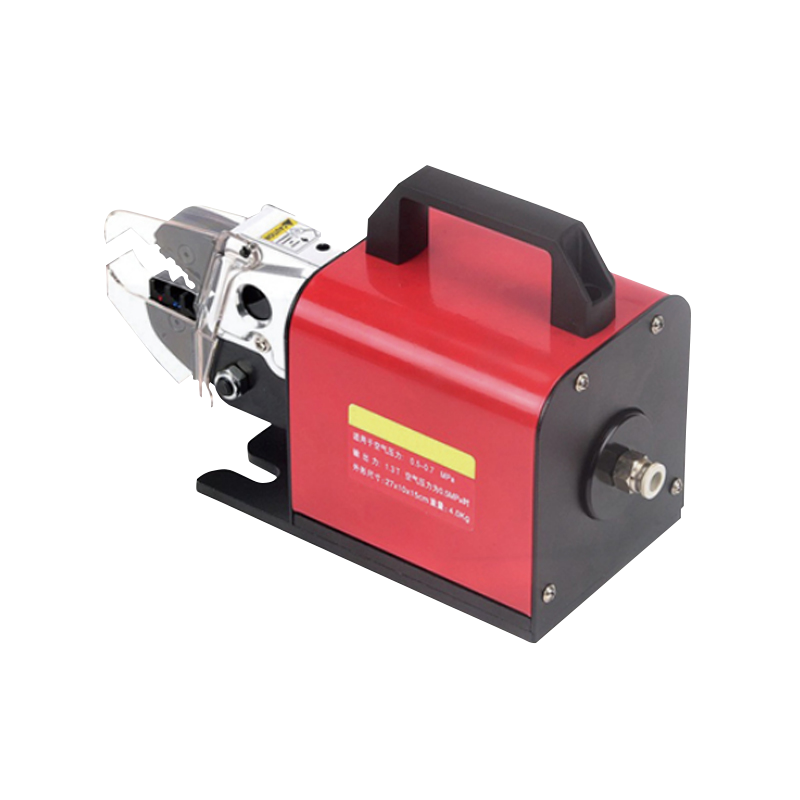
A Pneumatic Terminal Crimp Machine responds directly to these issues by replacing hand force with controlled air pressure. This change alone removes a large portion of variability from the crimping process and helps stabilize daily production.
How Pneumatic Drive Improves Process Stability
Compressed air provides smooth and repeatable motion. Each crimp cycle follows the same stroke and pressure profile once parameters are set. This makes the crimp shape more consistent across large batches.
In the Pneumatic Terminal Crimp Machine Series, pneumatic cylinders respond quickly and recover fast between cycles. This supports a steady rhythm during continuous operation without the sudden force changes common in manual tools. Over time, this stability helps reduce rejected assemblies and inspection pressure.
Precision Matters More Than Speed Alone
Crimping is not only about cycle time. Precision in conductor compression and terminal deformation directly affects electrical performance. Too loose, and contact resistance rises. Too tight, and the wire strands may break.
A Pneumatic Terminal Crimp Machine uses precision dies and controlled motion to match terminal specifications closely. Adjustable stroke depth and tooling alignment allow operators to dial in the crimp profile required for different terminals and wire gauges.
This level of control is especially useful in electronics, automotive harnesses, and communication assemblies, where repeatability matters from batch to batch.
Supporting Multiple Terminal Types Without Complexity
Production lines often handle more than one terminal style. Switching between open-barrel, insulated, or specialized terminals can slow down work if equipment lacks flexibility.
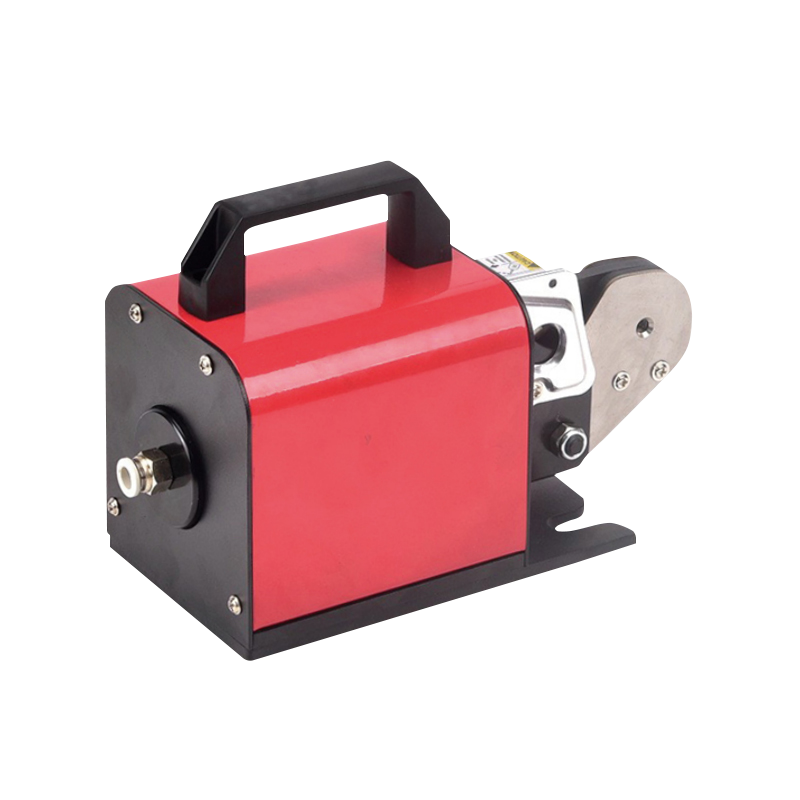
The Pneumatic Terminal Crimp Machine Series is designed to support a wide range of terminal sizes and forms through die changes and mechanical adjustment. This approach keeps the machine adaptable without adding complicated control systems.
Operators can focus on the correct setup rather than troubleshooting software or complex programming steps.
Operator Experience During Long Shifts
Fatigue is a real factor in crimping operations. Hand tools and manual presses place repeated strain on wrists and shoulders. Over time, this affects both output quality and operator comfort.
A Pneumatic Terminal Crimp Machine reduces physical effort by letting the machine handle force generation. Foot pedal or hand-trigger operation allows natural movement and better pacing. This helps maintain consistent crimp quality throughout the workday.
Simple controls and clear die access also shorten training time for new operators.
Reducing Errors and Rework in Assembly Lines
Crimp defects often show up later during testing or final assembly, where correction becomes expensive and time-consuming. Stable crimp quality at the source helps prevent downstream delays.
By delivering consistent compression and alignment, a Pneumatic Terminal Crimp Machine helps lower variation between crimps. This consistency supports smoother wire insertion, housing assembly, and final electrical checks.
Over time, fewer adjustments and corrections help stabilize the overall production flow.
Durability for Continuous Industrial Use
Production equipment must handle repeated cycles without frequent service interruption. Mechanical wear, misalignment, and unstable motion all reduce output over time.
The Pneumatic Terminal Crimp Machine Series is built with industrial-grade frames, precision guides, and durable pneumatic components. These structural choices support long-term operation under regular workloads while keeping motion smooth and predictable.