
 EN
EN  English
 русский
 Español
 عربى
عربىWhy Are Many Workshops Upgrading To An Axis Milling Machine Today?
An Axis Milling Machine plays a central role in workshops that handle diverse machining tasks, especially where repeatable precision and stable performance matter. Many buyers who evaluate new equipment are often curious about how these machines influence daily workflows, what design elements affect productivity, and how to judge the capabilities of Axis Milling Machine Manufacturers. Understanding these points helps them make confident decisions that match real production requirements rather than assumptions.
Another angle users care about is whether the machine can support different production setups without constant reconfiguration. Flexible machining capability is often the difference between meeting customer deadlines and struggling with inefficient changeovers. This is why many Axis Milling Machine Manufacturers highlight the importance of offering multiple cutter types—face mills, end mills, and slot drills—along with customization options. These allow workshops to match the tool to the task rather than compromise with a single general-purpose cutter. For businesses handling varied materials or shifting order volumes, this versatility becomes a practical advantage.
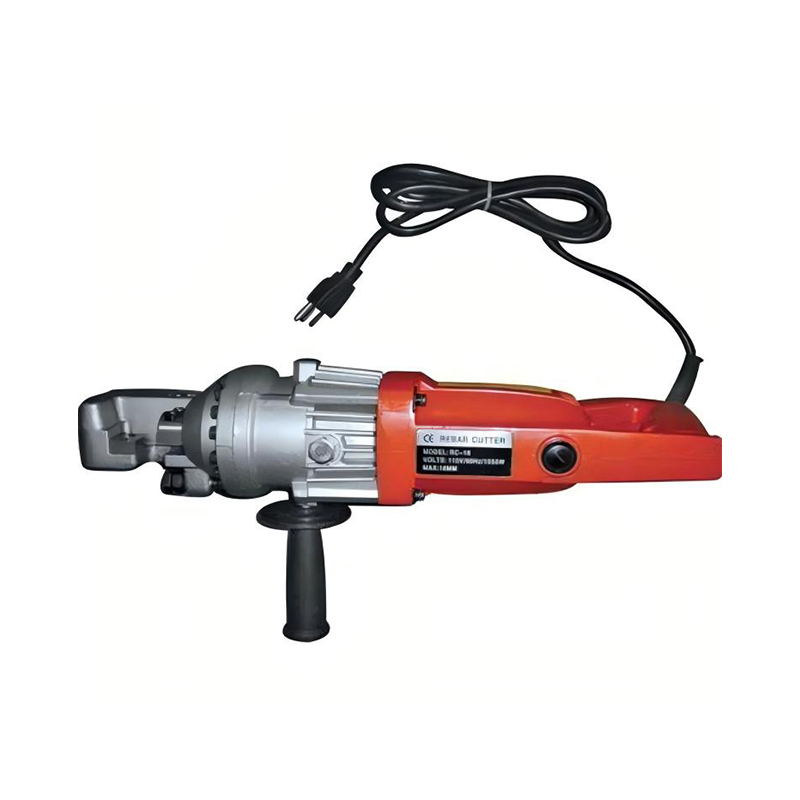
Durability is also a primary concern, especially for teams looking to reduce tool changes and maintenance pauses. Operators frequently ask how long cutters remain effective before performance drops. High-speed steel, carbide, and specialized coatings help extend cutter life by supporting resistance to heat, wear, and oxidation. When these materials are combined with precise manufacturing, the cutters deliver stable cutting behavior over longer cycles. This reduces unplanned downtime and fits well with production schedules that rely on predictable tool usage.
Some users also want to understand whether an Axis Milling Machine can influence surface quality. A refined finish reduces secondary processes and keeps the workflow efficient. Precision-engineered cutters help achieve smooth surfaces, especially when paired with balanced machine movement. This matters for industries like automotive and aerospace, where the appearance and accuracy of components reflect overall machining quality. The improved finish also supports mold and die applications, where intricate detail is required, and material removal must remain steady and controlled.
Support from Axis Milling Machine Manufacturers is another concern that surfaces during purchasing decisions. Beyond the equipment itself, buyers expect responsive guidance, technical clarification, and after-sales assistance. Clear communication about cutter selection, coating options, or machine-tool matching helps operators run the equipment confidently and avoid early mistakes. Many manufacturers now provide tailored cutter solutions based on production needs, which helps users handle unique materials, tight spaces, or special shaping requirements.
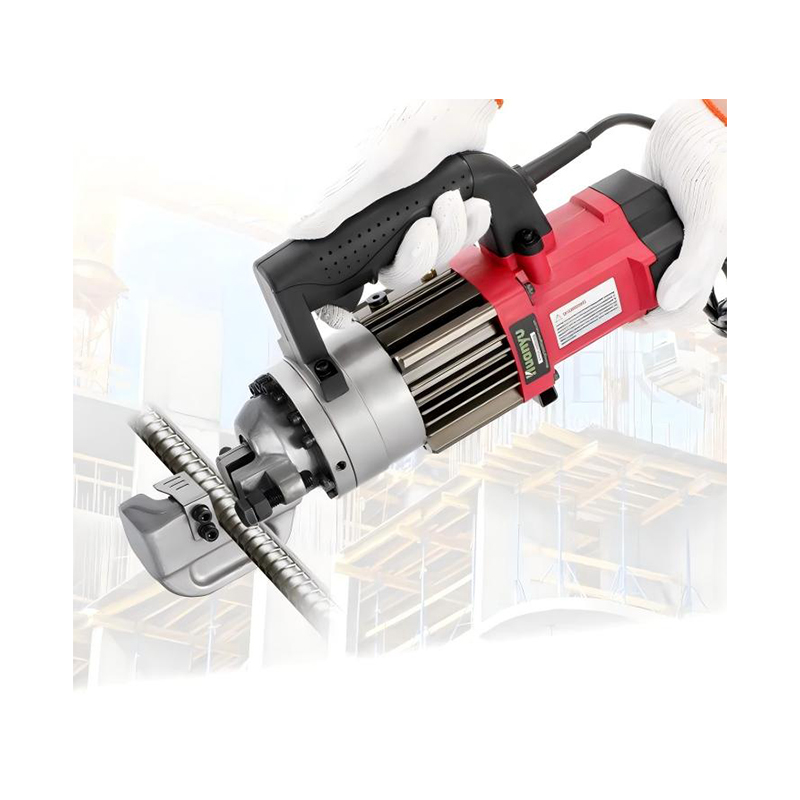
Practical applications of these machines span industries such as automotive, aerospace, mold making, general machining, medical parts, and energy components. These sectors value repeatable precision, and a reliable Axis Milling Machine becomes a consistent tool in supporting that expectation. When cutters stay sharp longer, require fewer replacements, and deliver cleaner surfaces, workshops maintain smoother throughput, and teams can focus on building dependable processes.
For companies evaluating new equipment, the key is to look at how the machine and its cutters align with real machining goals, not only technical descriptions. Considering precision stability, material durability, coating technology, and manufacturer support provides a clearer picture of long-term performance. Quality-built solutions from trusted Axis Milling Machine Manufacturers help users handle varied workloads while keeping processes steady and predictable.