
 EN
EN  English
 русский
 Español
 عربى
عربىHow Does Usability Influence The Choice Of A Multi Hole Wire Stripping Machine?
A Multi Hole Wire Stripping Machine attracts attention from buyers who want stable processing, easier operation, and the ability to handle different cable sizes without constant adjustment. Many users are curious about how the structure, materials, and blade design influence long-term performance. Others want to understand what separates capable Multi Hole Wire Stripping Machine Manufacturers from basic suppliers. Below is a clear look at the main questions buyers usually have—and practical answers that help them decide.
1. What practical advantages does a multi-hole design bring?
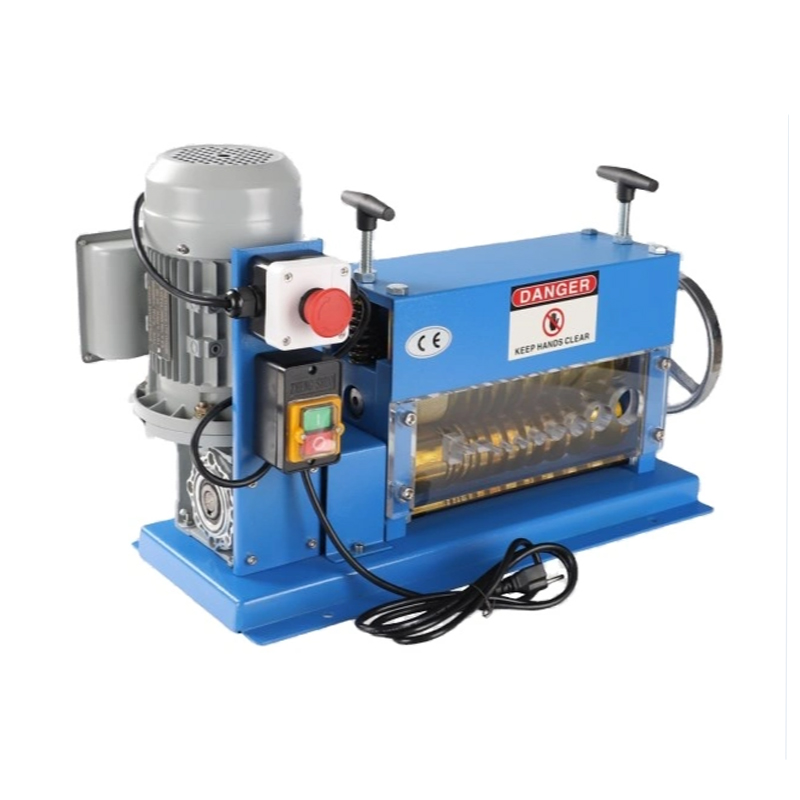
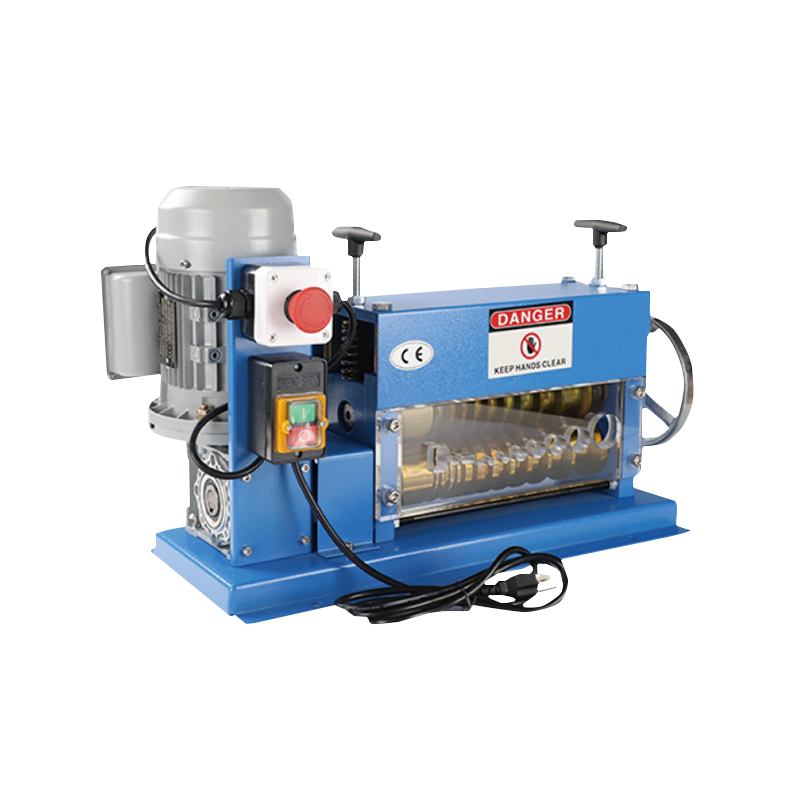
A multi-hole layout supports a wider range of wire diameters, which is important for workshops handling mixed cables instead of a single specification. The M-038 example shows how one unit can manage 1.5mm to 38mm wires, covering hard copper wire, aluminum-core cable, multicore lines, and telecommunication sheath wire. This flexibility reduces tool changes and shortens preparation time during busy production hours.
The broad-sword peeling structure is another selling point. It helps process wires with consistent accuracy while keeping the core intact. Many users who previously relied on handheld tools notice smoother cuts and a more stable workflow after switching to a Multi Hole Wire Stripping Machine.
2. Why do buyers focus on machine structure and material quality?
Users want equipment that holds up under tough conditions. Many Multi Hole Wire Stripping Machine Manufacturers highlight aluminum alloy bodies because they balance light weight with strong resistance to wear. A compact but sturdy structure helps technicians carry the machine to job sites, mount it on any basic workbench, and keep it running even when the environment is not ideal.
Inside the machine, the blade is a critical point of concern. A high-strength blade supports faster stripping—around 60 FPM in the case of the M-038—while keeping the cut clean. For operations that process waste wires for recycling or reuse, this speed directly affects daily output and labor cost. Buyers often look for models with easily replaceable blades to maintain consistent performance over time.
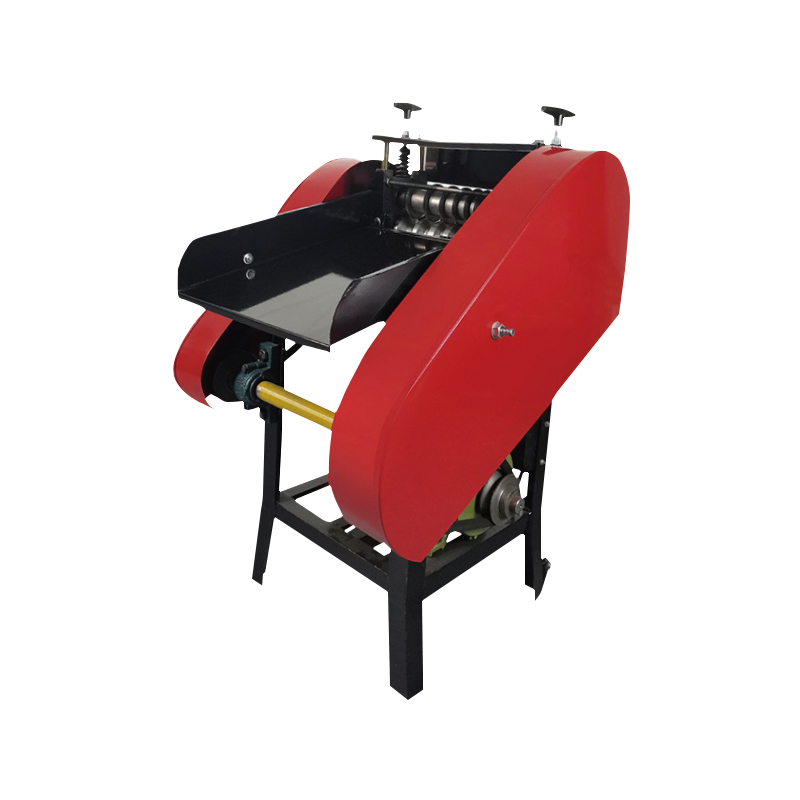
3. Ease of use of multi-hole wire stripper
A core reason technicians prefer this type of machine is the straightforward user experience. Simple manual adjustments let users set the stripping depth and width according to different wire types. This precision matters because many workshops work with cables that vary in hardness and insulation thickness. Too much pressure damages the wire core, while too little pressure leaves unremoved insulation. Adjustable settings help avoid unnecessary material loss.
The power configuration is another point that improves usability. A single-phase 1/4HP, 180W setup gives enough strength for consistent stripping while keeping power consumption reasonable. For workers who frequently move locations, an ON/OFF switch near the motor adds convenience and improves day-to-day operation.
A Multi Hole Wire Stripping Machine answers the common needs of technicians who require steady output, easier wire handling, and a structure that performs across different cable types. When users compare options from various Multi Hole Wire Stripping Machine Manufacturers, they often focus on durability, blade quality, adjustable features, and real-world convenience. With the right balance of portability, efficiency, and stable engineering, this type of machine becomes a dependable tool for workshops, recycling stations, and electrical projects that depend on reliable stripping performance.