
 EN
EN  English
 русский
 Español
 عربى
عربىWhy Choose an Electric Terminal Crimp Machine for Production Lines?
Crimping quality directly influences the performance of wiring assemblies. Loose terminals, uneven compression, or unstable pull-out force can interrupt production flow and increase rework. In modern workshops, many manufacturers are turning to an Electric Terminal Crimp Machine to gain better control over crimping force and stroke accuracy.
Rather than relying heavily on operator strength or air pressure fluctuation, electric-driven systems provide programmable motion and repeatable crimping results. For industries such as automotive, electronics, and telecommunications, this consistency supports smooth assembly processes and predictable product performance.
Flexibility for Different Terminals and Wire Specifications
Workshops rarely handle only one type of terminal. Ring terminals, blade terminals, insulated connectors, and customized parts may all be processed on the same floor. Equipment flexibility becomes an important consideration.
A well-designed Electric Terminal Crimp Machine supports quick die replacement and adaptable tooling systems. Operators can adjust stroke depth and crimp height according to wire gauge and terminal structure.
Compared with single-purpose manual tools, this flexibility reduces the need for multiple standalone machines. A reliable Electric Terminal Crimp Machine Manufacturer often provides customized applicators based on terminal samples, helping factories match tooling precisely with their production requirements.
Such adaptability is especially useful in automotive wiring harness production, where different connectors appear within the same assembly project.
Integration into Existing Production Lines
New equipment should not disrupt the established workflow. Electric crimping systems are commonly designed for easy integration into:
- Bench-top assembly stations
- Semi-automatic wire processing tables
- Automated cutting and stripping lines
Compact structures allow them to fit into limited workshop space. Electrical control systems can also connect with other machines for synchronized operation.
In factories already using pneumatic terminal crimp machines, electric models may serve as supplementary units for applications requiring higher stroke precision. Both technologies can operate side by side, depending on product demands.
A professional Electric Terminal Crimp Machine Manufacturer understands these mixed production environments and can recommend suitable layouts without requiring complete line reconstruction.
Reducing Rework Through Stable Force Control
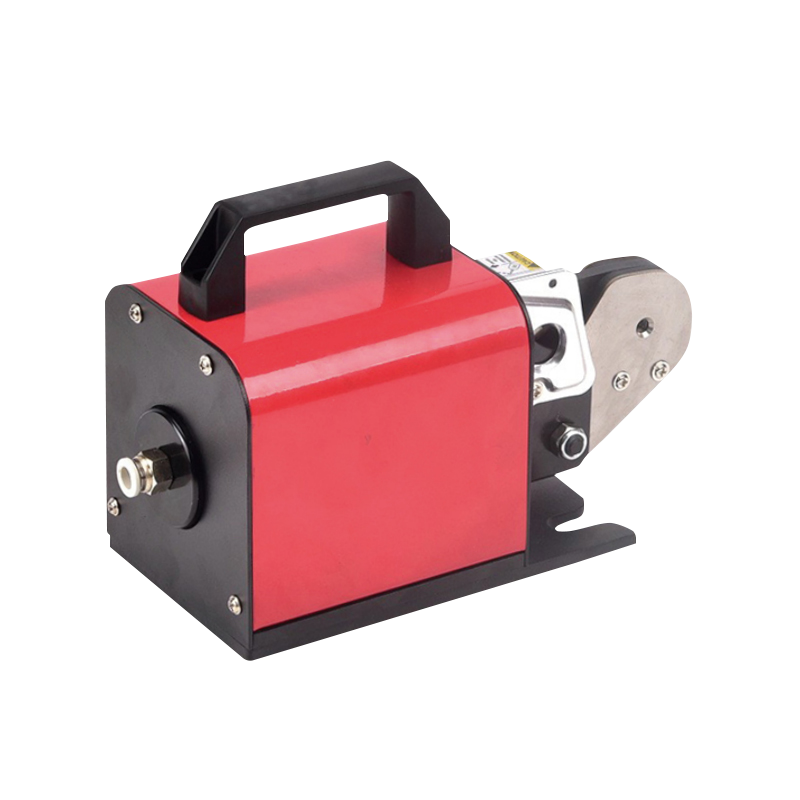
One of the recurring pain points in crimping operations is inconsistent pull-out strength. When compression is too light, wires may loosen. When compression is too strong, conductors can deform or break strands internally.
An Electric Terminal Crimp Machine provides controlled force output through programmable motion. This allows production teams to fine-tune crimp height based on measured pull-force tests and cross-section inspections.
Stable parameters reduce variation between shifts and operators. Over time, fewer rejected terminals translate into smoother workflow and improved cost control.
Beyond mechanical precision, user-friendly control panels also reduce setup mistakes. Clear parameter displays and straightforward adjustment methods help technicians modify settings without complicated recalibration procedures.
Wiring assembly depends heavily on the stability of each crimped connection. An Electric Terminal Crimp Machine offers programmable stroke control, adaptable tooling, and steady output suitable for modern industrial environments. When supported by a knowledgeable Electric Terminal Crimp Machine Manufacturer, the equipment becomes a consistent part of production rather than a source of repeated adjustment.
For workshops seeking more predictable crimp quality and smoother workflow, electric-driven crimping technology provides a structured and controllable approach aligned with current manufacturing demands.